BCCI the Bank Founded in 1972, the Bank of Credit and Commerce International (BCCI) grew into a major international bank with a presence in 73 countries before being buried alive in 1991. This section explores the Bank’s rise, worldwide operations, restructuring, abrupt closure, the subsequenlt liquidations and the controversy surrounding its final years - the story at the heart of the proposed book The Bank That Was Buried Alive. Explore The Founder Agha Hasan Abedi founded the Bank of Credit and Commerce International (BCCI) with an ambition that went far beyond building another commercial bank. Founded in 1972, BCCI developed a global network comparable in reach to many established international banks before being buried alive less than twenty years later. This section explores Abedi’s vision, leadership, relationships and wider contribution to banking, development, education and cooperation across the developing world - and the story behind the proposed book The Visionary and His Bank. Explore Perspective Decades after the closure of the Bank of Credit and Commerce International (BCCI), after nearly 20 years of operation, important questions remain about how the Bank was supervised, judged and ultimately buried alive after an Abu Dhabi-backed restructuring had been agreed in principle and was then suddenly abandoned by the Bank of England. This section revisits the evidence, allegations, regulatory decisions, restructuring and the justifications given for the abrupt closure - issues at the heart of the proposed book Verdict Deferred. Explore
BCCI the Bank Founded in 1972, the Bank of Credit and Commerce International (BCCI) grew into a major international bank with a presence in 73 countries before being buried alive in 1991. This section explores the Bank’s rise, worldwide operations, restructuring, abrupt closure, the subsequenlt liquidations and the controversy surrounding its final years - the story at the heart of the proposed book The Bank That Was Buried Alive. Explore
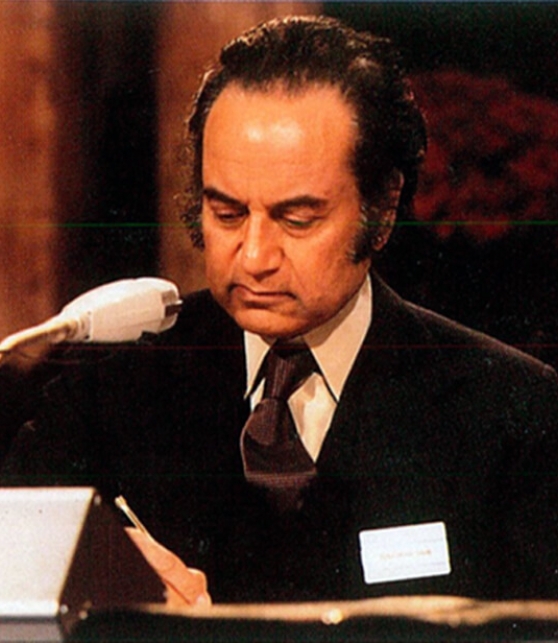
The Founder Agha Hasan Abedi founded the Bank of Credit and Commerce International (BCCI) with an ambition that went far beyond building another commercial bank. Founded in 1972, BCCI developed a global network comparable in reach to many established international banks before being buried alive less than twenty years later. This section explores Abedi’s vision, leadership, relationships and wider contribution to banking, development, education and cooperation across the developing world - and the story behind the proposed book The Visionary and His Bank. Explore
Perspective Decades after the closure of the Bank of Credit and Commerce International (BCCI), after nearly 20 years of operation, important questions remain about how the Bank was supervised, judged and ultimately buried alive after an Abu Dhabi-backed restructuring had been agreed in principle and was then suddenly abandoned by the Bank of England. This section revisits the evidence, allegations, regulatory decisions, restructuring and the justifications given for the abrupt closure - issues at the heart of the proposed book Verdict Deferred. Explore