
BCC branch opened in Port Louis, the capital of Mauritius in April 1975, and imported the spirit of BCC along with its business aspirations of an expanding global bank and serving the Third World, its concepts.
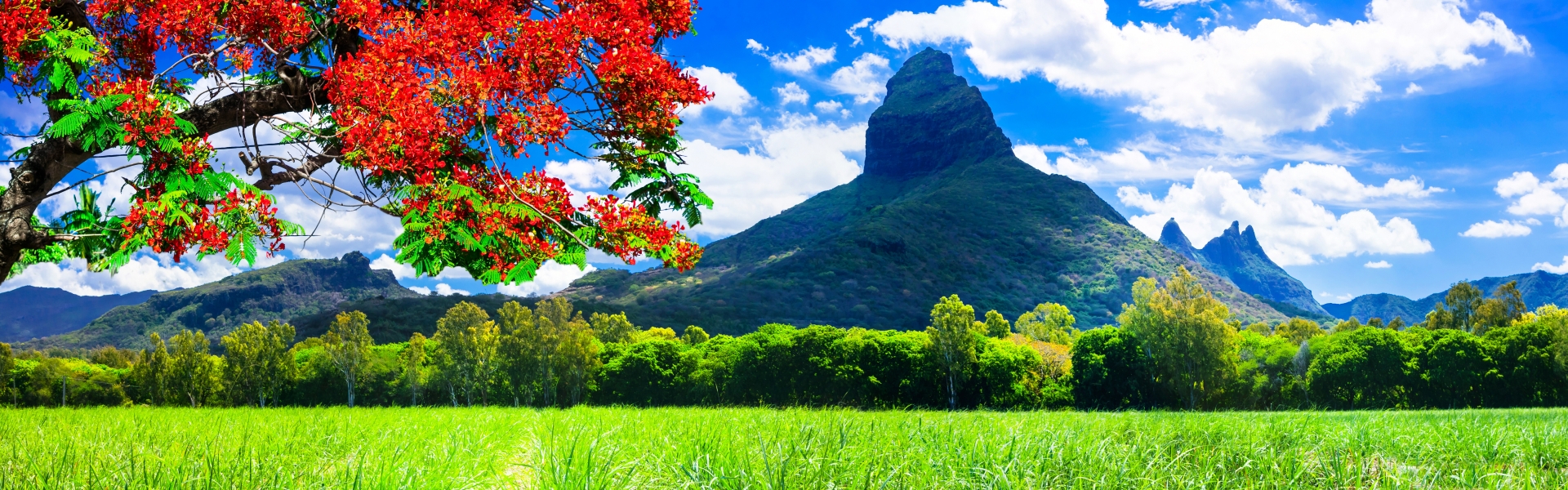
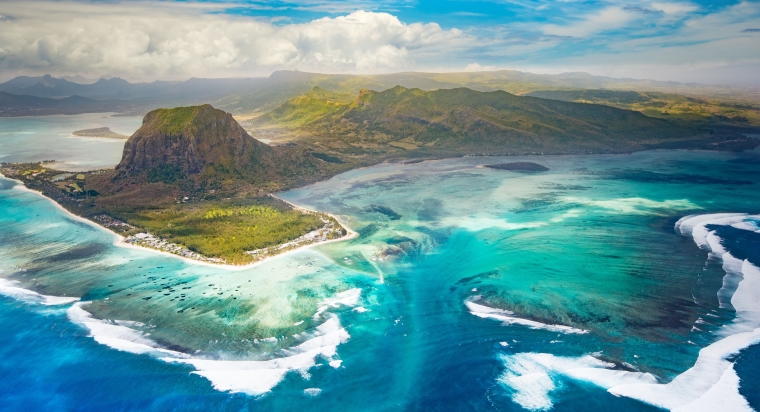
Mauritius is known for its vibrant culture, chequered history, sugar and textile industries. It is a volcanic island with it’s pristine beaches and stunning lagoons surrounding most of its coastline. It also has a veritable treasure trove of natural wonders for those who love to discover unique and unusual flora and fauna.
Country information
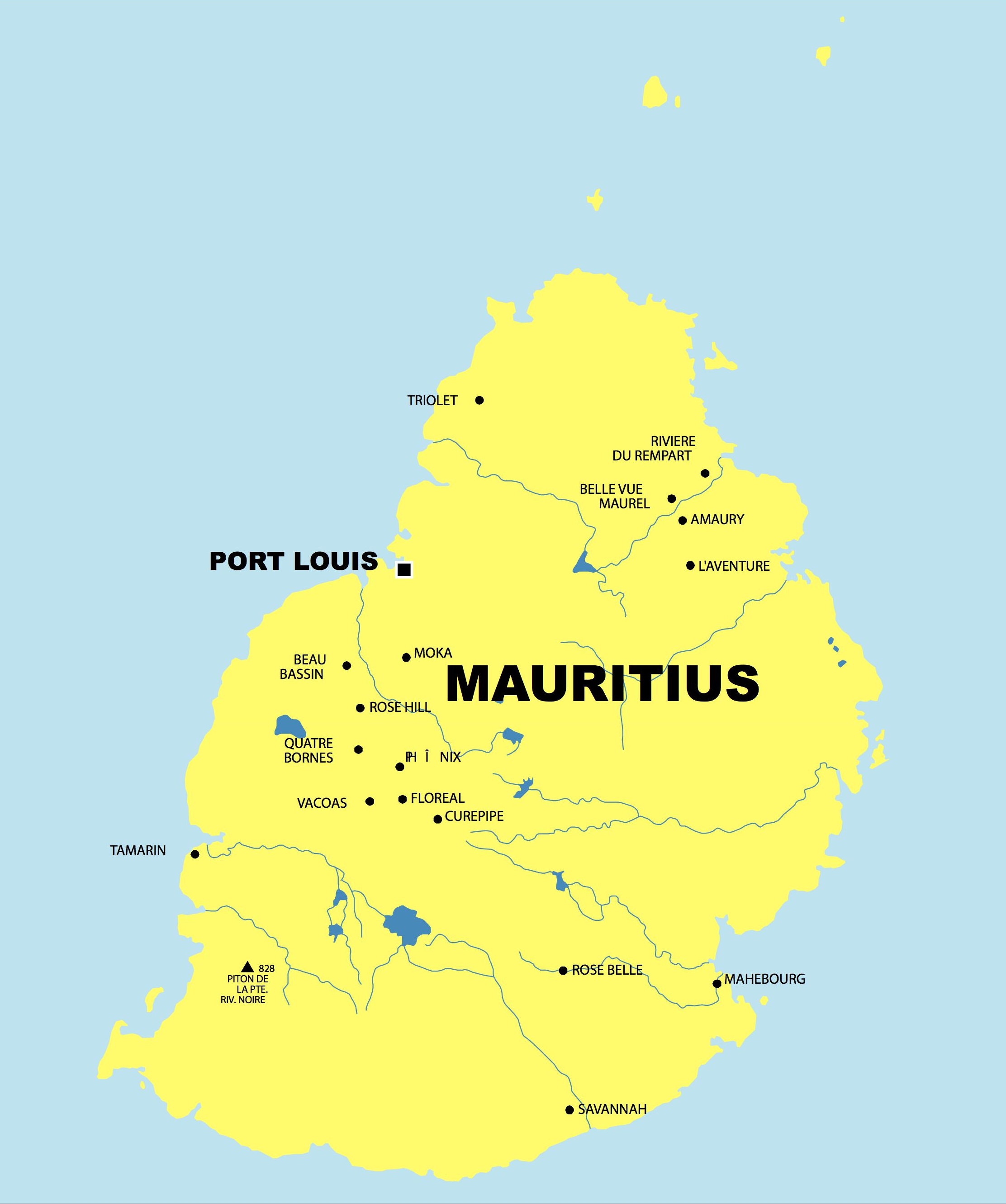
Mauritius, known officially as the Republic of Mauritius, is an island nation located off the southeast coast of the African continent in the Indian Ocean.
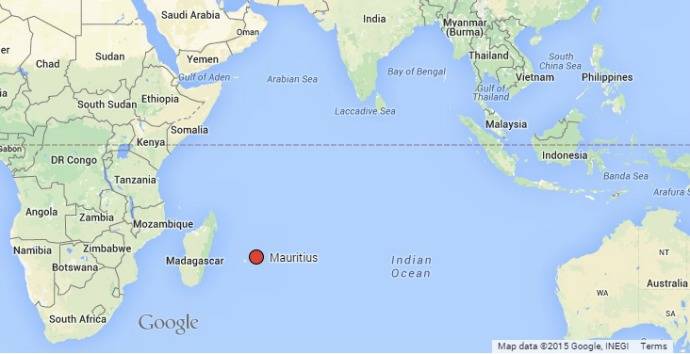
The island is situated approximately 2400 kilometres off the South East Coast of Africa. The island covers an area of 1,865 square kilometres or 720 square miles.
The capital and largest city of Mauritius is Port Louis where most of the population is concentrated.
Arabs sailors first discovered Mauritius as an uninhabited island in early 10th century but was officially explored by the Portuguese in the 16th century and subsequently settled by the Dutch in the 17th century.
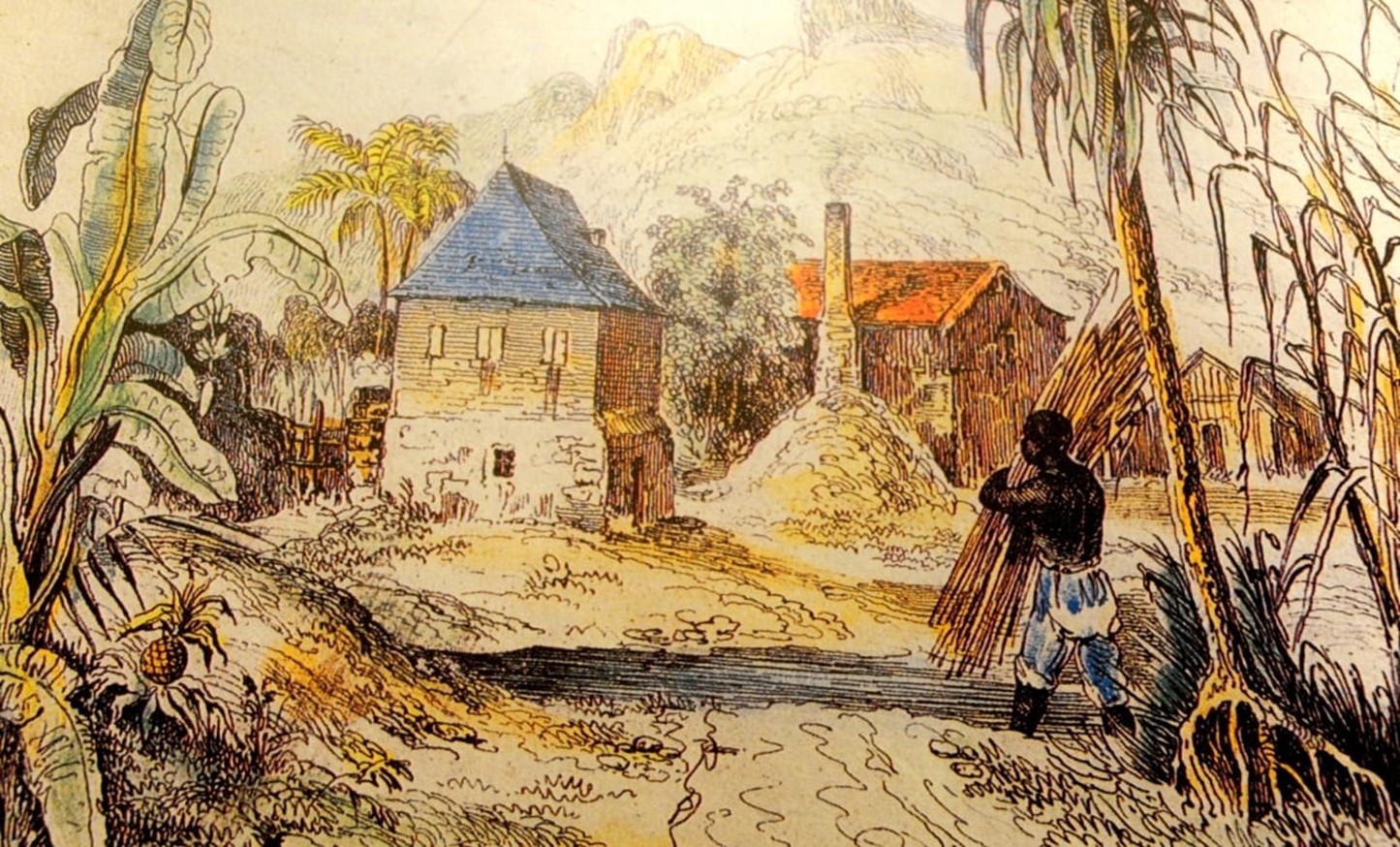
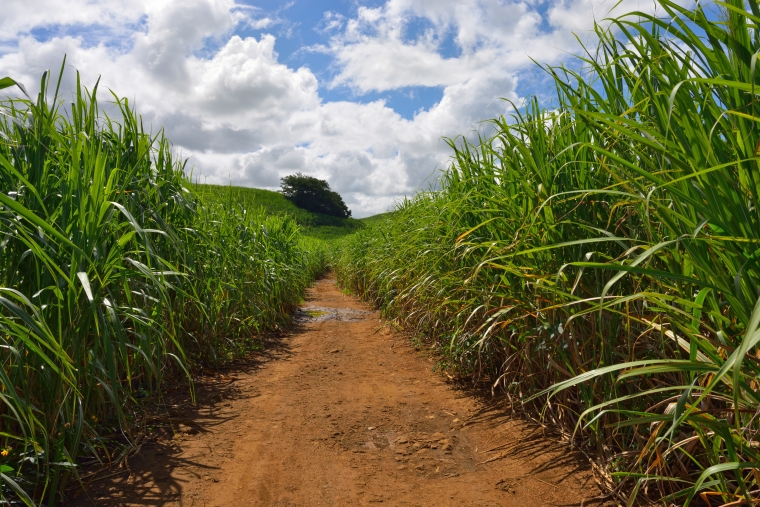
Mauritius was occupied successively by the Dutch (1598-1712) and later by the French (1715-1810) who developed the island into an important naval base overseeing the Indian Ocean trade, and establishing a plantation economy of sugar cane.
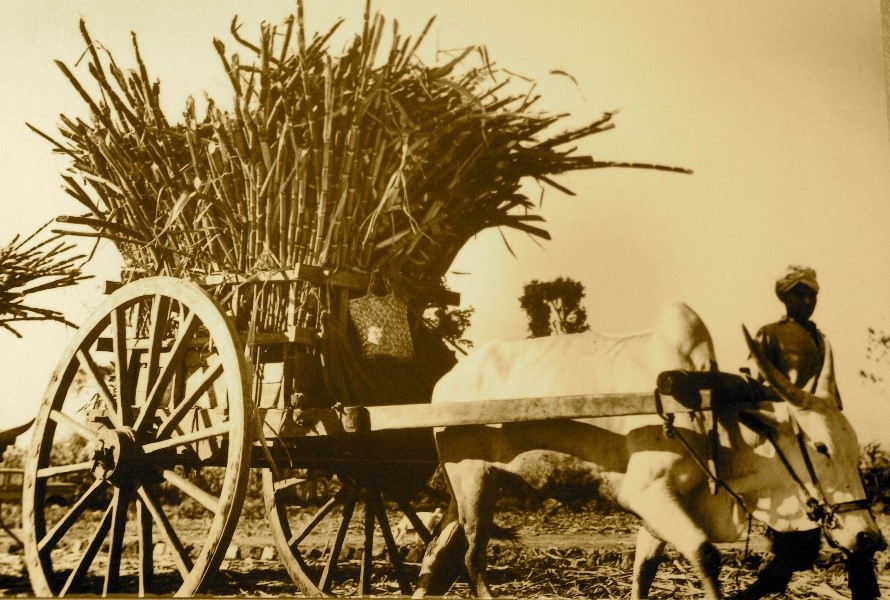
During the Dutch settlement in Mauritius, in 1600, Van Der Stel the first governor who brought slaves to the island from Madagascar. During the French rule, slaves are reported to have been brought from parts of Africa and forced to clear forests and cultivate sugarcane and other crops all over the island for the benefit of the French economy. In early 1729, craftsmen were also brought from India to work on sugar estates, factories, in transport and on construction sites.
The British captured the island in 1810, during the Napoleonic Wars and through the Treaty of Paris (1814) France ceded Mauritius and its dependencies to the British.
Mauritius became a strategically important British naval base, and later, an air station playing an important role during World War II. The slaves brought by the French continued to be exploited by the British for some time. Additionally, the British brought 8,740 Indian soldiers to the island.
In 1965, three years before Mauritius became independent, the British split off the Chagos Archipelago from Mauritian territory and after expelling the local people, the island of Diego Garcia was leased to the United States and remains a key US military base. The sovereignty of the Chagos remains disputed between Mauritius and the United Kingdom. In February 2019, the International Court of Justice had issued an advisory opinion ordering the British to return the Chagos Islands to Mauritius as rapidly as possible to complete the decolonisation of Mauritius.
Population and language
Mauritius is a densely populated island with around 900,000 in 1975 and has earned the reputation as one of the top favourite holiday destinations. While many people focus their sights on the dazzling beaches and aquamarine waters, some of the rarest birds in the world are in Mauritius.
Owing to its geographic location and centuries of colonialism, the people of Mauritius are highly diverse in ethnicity, culture, language and faith. Hindus, Muslims, Creoles, Chinese and Europeans live in peace and where all the ancestral cultures have been preserved. It has a reputation for stability and racial harmony among its mixed population.
English is the official language. However, most Mauritians are bilingual being equally fluent in French and English.
Economy
Since independence in 1968, Mauritius developed from a low-income, agri-culture-based economy to a high-income diversified economy, based on tourism, exports principally textiles, garments and sugar, and financial services.
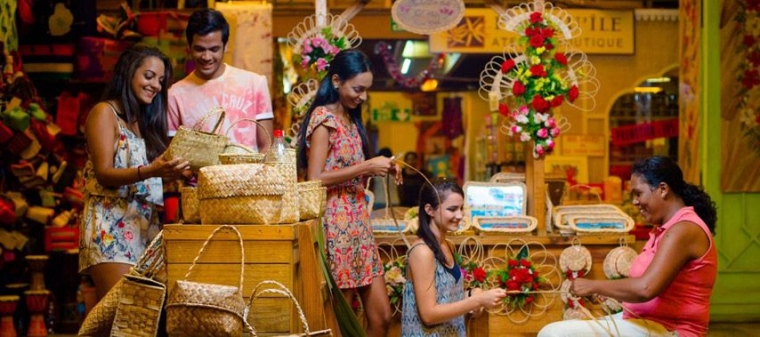
Mauritius built its success on a free-market economy creating one of the largest exclusive economic zones in the world, and in 2012 the government announced its intention to develop the marine economy.
BCCI in Mauritius
Over the years, Mauritius increasingly positioned itself as the preferred financial hub for investment into Africa due its strategic location between Asia and Africa. It became home to several international banks, legal firms, corporate services, investment funds and private equity funds.
BCC opened its branch in Port Louis, the capital and financial centre of Mauritius. Financial products and services like those of other banks, included mobilising deposits, financing foreign trade, sale and encashment of travellers cheques purchased and presented by travellers, as well as serving high net worth clients and corporate headquarters.
The branch was located at:
BCC House
16 Sir William Newton Street
PO Box 485
Port Louis
Tel: (230) 212 3721, 212 3722, 212 3723/4, 212 4605
Fax: (230) 085 388
Telex: 4294 BCCI MRUIW
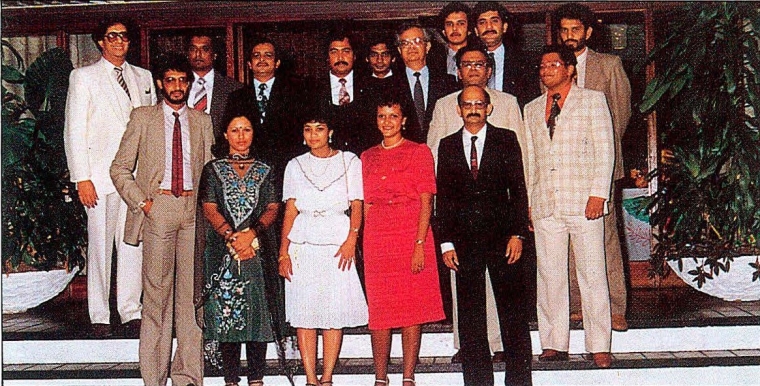
Mr Mustapha Boodhoo, who worked in BCC Port Louis, witnessed the evolution of the branch and noted that in the success during the first five years of existence, the dominant note had been essentially the triumph of human spirit translated into personal relationships developed by all the staff with clients, and goodwill. This is where BCCI’s resemblance with other banks, in Port Louis and worldwide ended.
BCCI closure
On 5 July 1991 the Bank of England and other regulators in the west decided to abruptly freeze BCCI Group's assets and shut down BCCI's operating branches worldwide.
The priority of the governments and central banks in some countries was to protect their people and the local operations of BCCI continued in a different name after the assets and liabilities were acquired by private investors or another bank.
The Central Bank of Mauritius placed the assets of BCCI branch in Mauritius under protective control. BCCI Mauritius was reportedly bought in October 1991 by the Delphis Bank, owned by Mr Ketan Somaia, a Kenyan born businessman. Earlier, the Delphis Bank took over the assets and liabilities of BCCI in Kenya in August 1991.
The BCCI Group majority shareholders considered the abrupt action by western central banks to shut down BCCI in 1991 was unjustified when they already had detailed discussions with the Bank of England and other regulators on a restructuring plan and would have injected further capital, if required.
In a 24-page report not made public but sent to some 60 central bankers worldwide, the United Nations Center on Transnational Corporations said that by simply shutting down the 70-nation banking network that financed international trade of $18 billion a year, the economic damage fell hardest on countries like Nigeria, Bangladesh and Zambia, where B.C.C.I. was an important institution. (New York Times, Feb 5, 1992)