
In a survey conducted by Business India in 1987, BCC was ranked as the most efficient bank in India. Out of a total of twenty foreign banks, BCCI Bombay branch came first in advances, deposits and income generated per member of staff. This remarkable achievement was fully in line with BCC's continual striving for excellence.
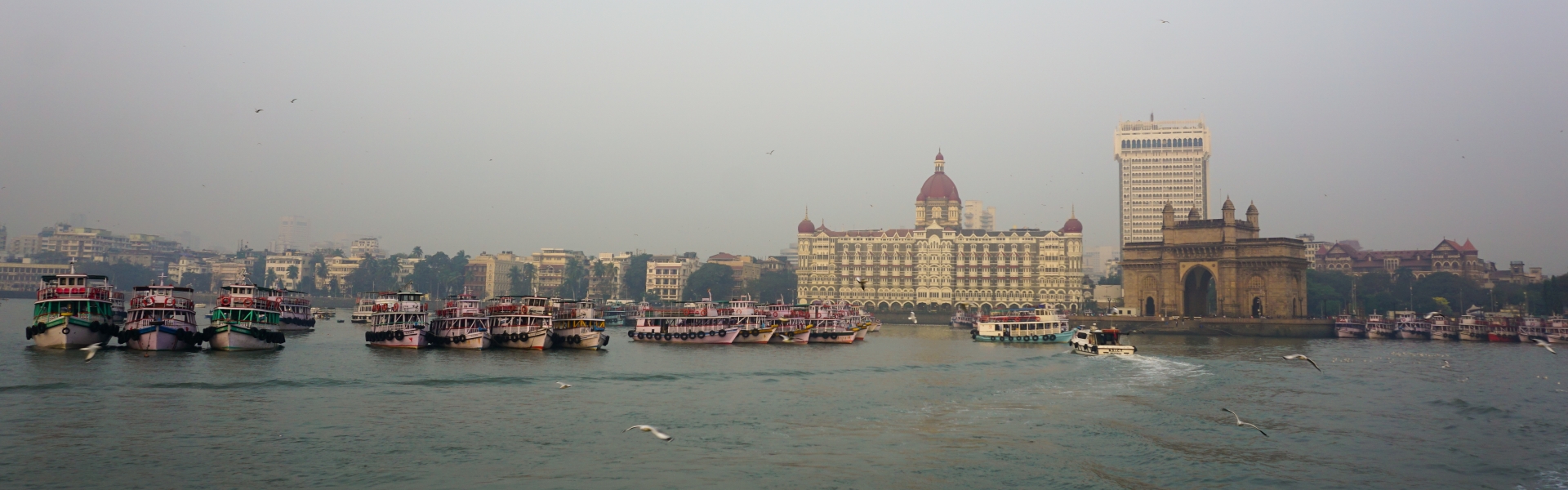
India, a country in South Asia, has the second largest population and is the largest democracy in the world. It is bounded by the Indian Ocean on the south, the Arabian Sea on the southwest, and the Bay of Bengal on the southeast, it shares land borders with Pakistan to the west; China, Nepal and Bhutan to the north; and Bangladesh and Myanmar to the east.
.png)
Country information
 Though India gained independence from the British on 15 August 1947, it declared itself a Sovereign, Democratic and Republic state with the adoption of the Constitution on 26 January 1950.
India was comparatively a destitute country after the British colonial rulers were forced to leave in 1947.
The colonial exploitation of India's resources under British rule spread over nearly 200 years and British investment in establishment of local industries for export of tea and rubber, and the development of infrastructure such as railway system for transportation had the sole intention to strengthen British economy.
The inhuman exploitation of the local population to work as bonded labour was in a number of areas, for example:
- By planters to boost profits from indigo exports to Europe forcing the peasants to cultivate indigo and opium, instead of cash crops that sold at a higher price.
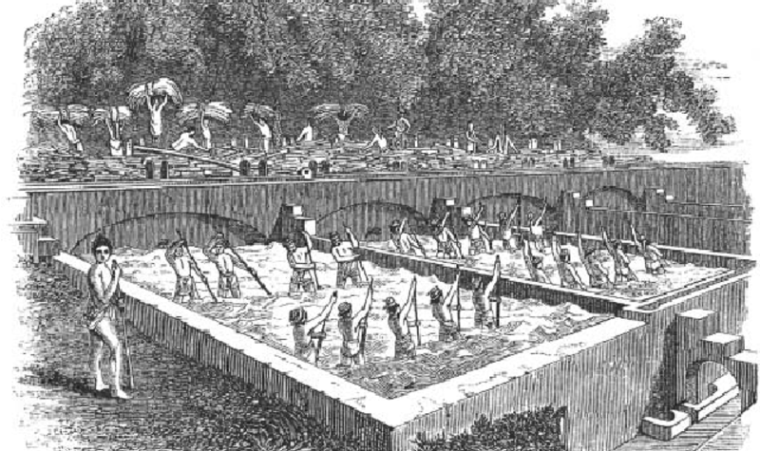
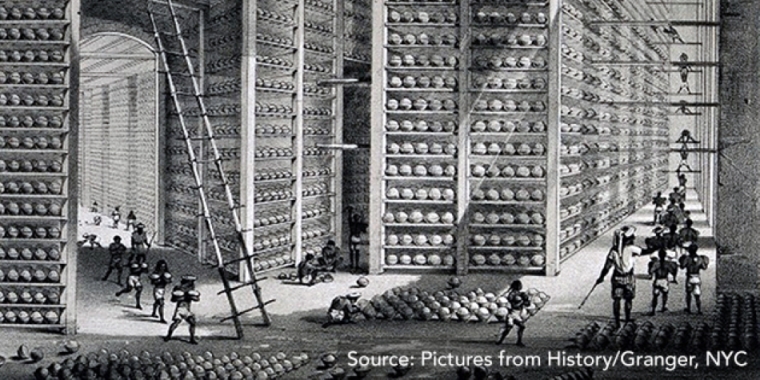
- Growing and processing of opium to maintain a profitable monopoly and addiction of the Chinese people from sales to China.

Other forms of British exploitation was through trade politicise. An example is Bengal that produced a variety of handwoven textiles for many centuries that were traded by Arab and Greek merchants for centuries. The highly prized fine cotton muslin cloth imported into Europe, one of the finest textiles to ever exist, was popular among the royalty.
During British colonial rule, the muslin industry destroyed due to various colonial trade policies, which imposed high rate of import duties on Indian goods, while charging nominal rate of duties on imports of industrially manufactured textiles from Scotland and England.
Population and language
In 1983 when BCCI was established in India, the country's population was 793.4 million and by 2021 grew to 1,393.4 million people.
The official language of India is Hindi.
With many regional languages in India, English had greater popular support than Hindi/Urdu and played an important role for international business dealings across the country. In the eighteenth century, the official language under the British colonial administration was English, and the education system put in place also used English as a teaching language.
Economy
Reforms in the 1980s
Reforms that were introduced in the 1980s, especially starting in 1985, were particularly crucial to building India’s economy with policy changes such as devaluation, trade liberalisation, and delicensing of investment to spur growth without disruption.
With a significant relaxation of industrial controls and related reforms that pushed industrial growth, there was increased demand for imports capital equipment and technology and for raw materials not domestically produced or in insufficient quantities. Several export incentives that were introduced, especially after 1985, helped expand imports directly when imports were tied to exports and indirectly by relaxing the foreign exchange constraint.
The boom in India’s economy was marked by a sustained period of export growth that had not been seen for many years. Several sectors had contributed to the boom: cotton yarn and textiles, a variety of agricultural products (coffee, cashew), garments, leather goods, marine products, gems and jewellery, and a great deal more.
There was also sizeable increase in remittances from Indians working in the Gulf and Middle East contributing to India’s foreign-exchange reserve.
Why India?
Mr Agha Hasan Abedi, BCCI’s founder president, was born in India and started his working life as a management trainee with Habib Bank Limited in Bombay, the bank later moved to Pakistan. During his visits to India, Mr Abedi would also visit Lucknow where his father was in the service of the Raja of Mahmudabad and managed the Raja’s landed estate. He also studied at the University of Lucknow.
India along with China were the two important countries representing the Third World. The country's significant size and its economic growth was turning India into one of the leaders of the Non-Aligned Movement and also offered enormous potential for BCC to expand its global presence and business for the group.
BCCI’s association with India dated back to 1978 with the establishment of the Third World Foundation for social and economic studies (known as Third World Foundation) as a charity in London, United Kingdom Bank of Credit and Commerce International (BCCI) funded the world of the foundation and Mr Agha Hasan Abedi, BCCI President, was the chairman of the Board of Trustees.
The work of the foundation was guided by an Advisory Committee that included Professor Amartya Kumar Sen, an Indian citizen, who went on to receive the Nobel Prize in Economics in 1998.
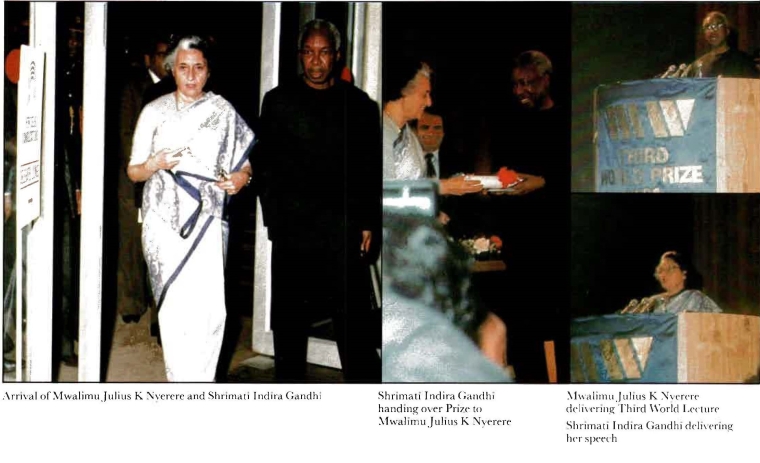
On 22 February 1982, the 1981 Third World Prize, launched by the Third World Foundation in 1979, was presented by (Mrs) Shrimati Indira Gandhi, Prime Minister of India, to Julius Nyerere, President of Tanzania, at a ceremony at the Vigan Bhavan in New Delhi, India before a large gathering of over 1,000 persons including high-level delegations from 45 Third World countries attending the South-South New Delhi Consultation.
BCCI’s banking presence in India
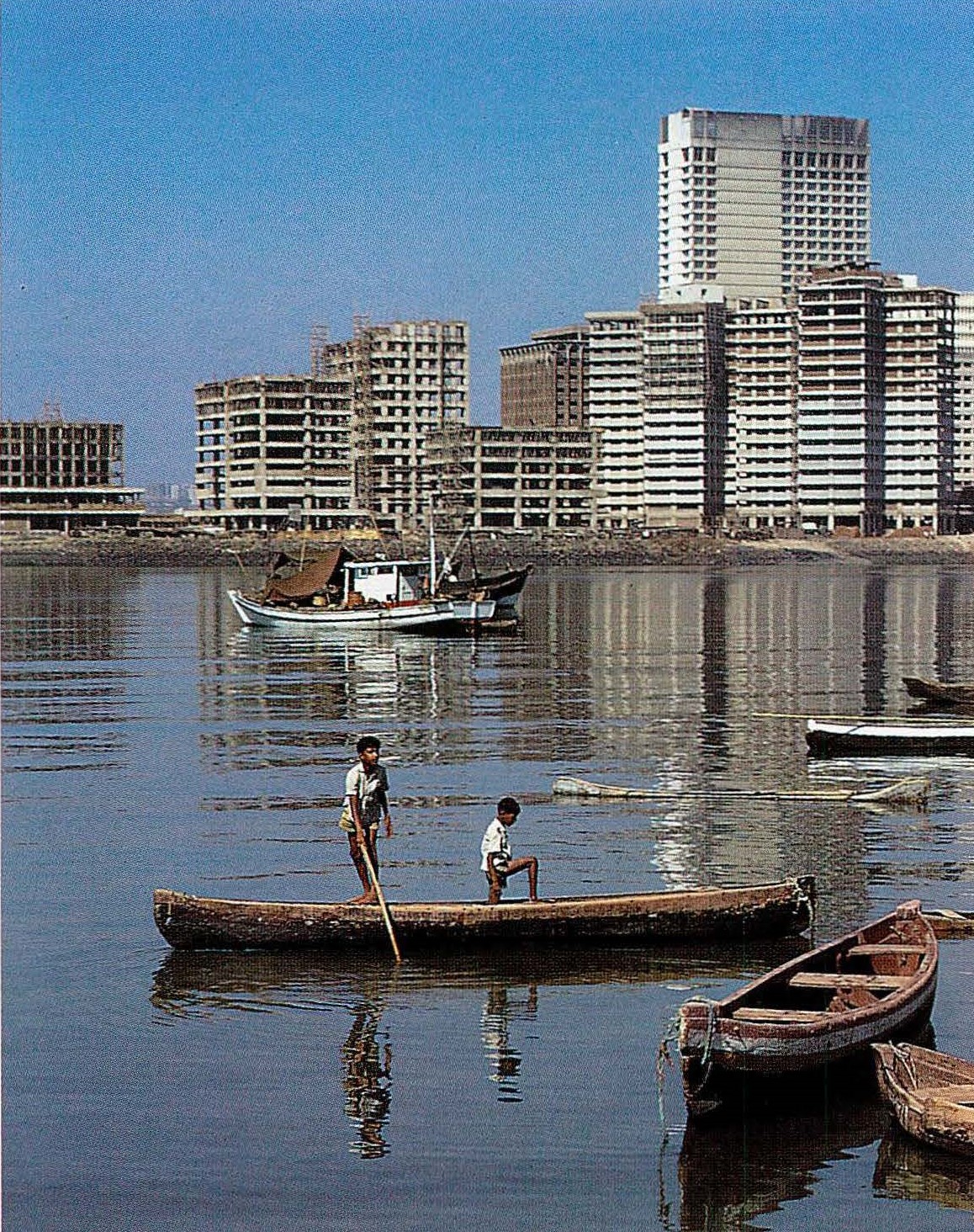
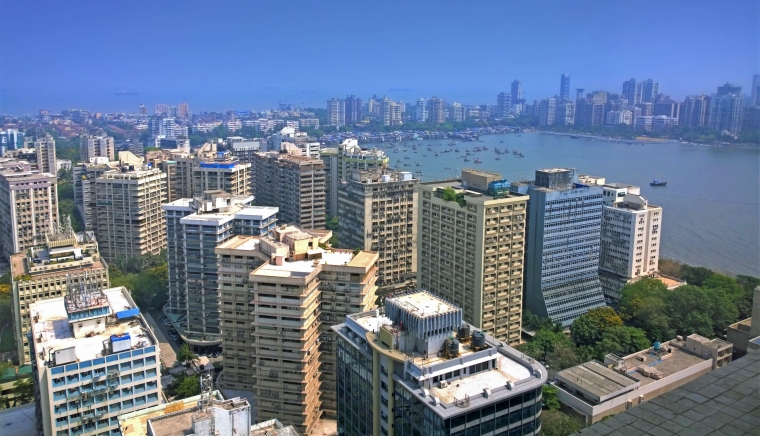
Prior to opening a branch, BCCI had a representative office in Bombay (Mumbai), the city was and still is the commercial capital of India. For several decades it has been the home of India's main financial services for both infrastructure development and private investment.
BCCI Bombay representative office liaised with the Indian banks handling the business of BCCI branches for India and in due course marketed for foreign trade business of Indian banks that could be directed to BCCI branches.
The representative office also liaised with the Reserve Bank of India (central bank) and government agencies to secure a banking licence.
BCCI branch opens in Bombay, India
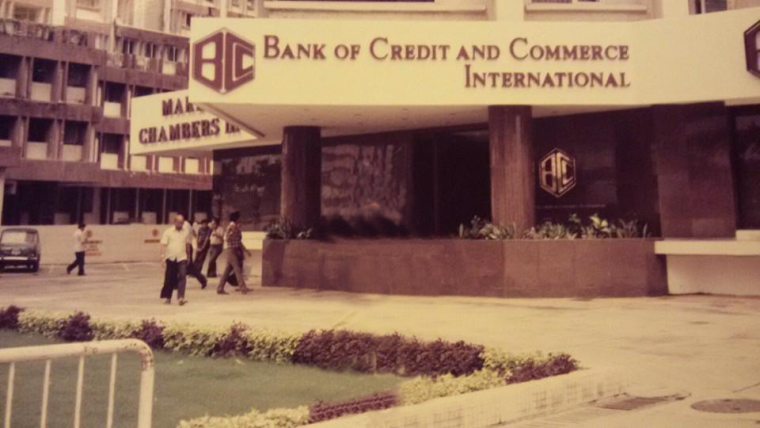
BCCI's only branch in India opened in Bombay (Mumbai) in April 1983, receiving preference over other banks like the US-based Chase Manhattan, for example.
However, Mr Agha Hasan Abedi, BCC President, was always keen to enhance BCC's relations with India, a leader of the Third World and the non-alignment movement, and to also open branches in other major cities of India. He would visit India almost quarterly to meet business and government officials.
Bombay branch was located at:
Maker Chambers III
Nariman Point
Bombay 400 021
Tele: (9122) 241012, 241663, 241766, 2411091, 241915
Fax: (9112) 2042280
Telex: 011-5839 BCCI IN
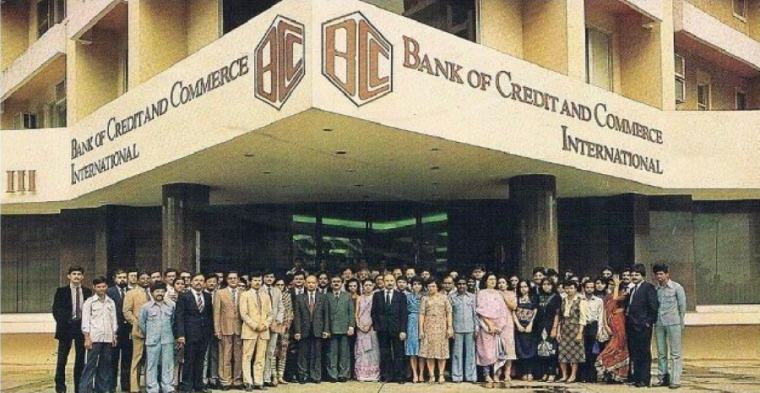
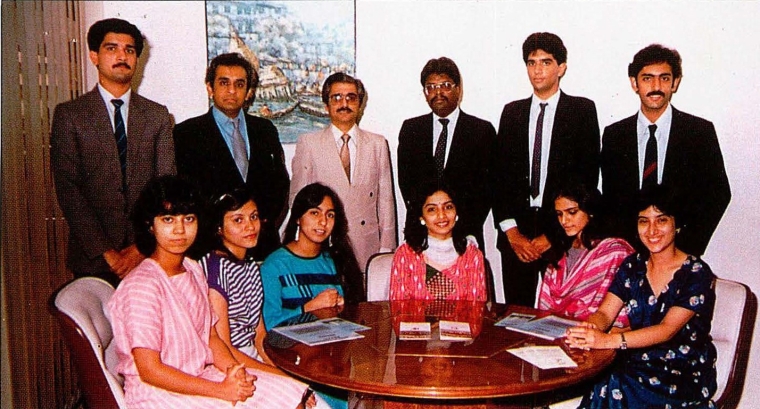
At the end of 1983 BCC's branch in Bombay employed around ten people. By 1985 nearly one hundred, including 38 officers and nine trainee officers were working there. This growth in the number of people was matched by an enormous growth in the volume of business handled by the branch. By 1991 the total staff reportedly increased to 230.
BCCI Bombay branch worked actively in developing relationships with the large business houses, airlines, embassies and such like as well as attending to distinguished visitors from the Middle East at the request of BCC branches.
Competitors tended at first to write off BCCl Bombay's extraordinary success to sharp banking practices, but later the bank earned some grudging compliments for its aggressively effective methods.
BCCI did have perfectly respectable clients including a number of Fortune 500 companies. In India, the clientele reads like a who's who in business: the Tatas, Birlas, Thapars, Chhabrias, and Mahindras.
In keeping with BCC's business strategy, the focus on Bombay branch profitability was on providing loans and financing self-liquidating transactions relating mainly to foreign trade and commerce. With Bombay being the commercial capital of India, BCC's efforts to generate foreign trade business in India was not limited to the Bombay region. The branch offered bill discounting services to companies all over India and was a pioneer in the bill-rediscounting practice among banks in India.
In the 1980s India's new policy measure were directed towards industrial growth and export performance. BCCI Bombay and the BCC international network were well positioned to capture a share in financing India's exports and issuing bid bonds and guarantees for suppliers and bidders of projects in India.
The branch was active in promoting sale of BCC's VISA travellers cheques.
BCCI Bombay also held substantial deposits generated from Indian residing abroad under FCNR (term deposit) and NRE (savings) accounts offering higher interest rates and allowed funds to be repatriated. The scheme was introduced by the Reserve Bank of India to attract US dollars into India.
_1.jpg)
Beginning 1985, the total deposits at BCCI was close to IRs 80 crore, and projected to increase to IRs 90 crores by year end. Grindlays, a British bank with a larger presence in India, reportedly mobilised some IRs 75 crores in deposits after over 150 years in Bombay.
Foreign Currency Accounts of Non Resident Indians
Opening accounts of Indians resident outside the country at BCCI Bombay branch was part of an important business strategy of BCCI for mobilising deposits for the branch.
According to the United Nations Department of economic and social affairs data, there were large numbers of non-resident Indians working in the Gulf & Middle East, United Kingdom, and Western Europe sending money to their family in India.
The Reserve Bank of India (central bank) originated and sponsored a Foreign Currency Non-Resident (FCNR) Account scheme to attract more foreign currency funds from non-residents. Under this scheme, Indians and persons of Indian origin residing abroad (including persons of Indian origin with foreign passports), as well as overseas corporate bodies owned by such persons, were permitted to place their deposits with Banks in India in US dollars and pounds sterling. Interest could be offered at much higher than the usual market interest rates. The interest earned on personal accounts was exempt from any Indian tax and the interest and principal remain freely repatriable in the currency in which the deposit was maintained.
BCC had over 40 Indian desks strategically placed across BCC's global network to market a highly profitable product for the benefit of the branch in Bombay.
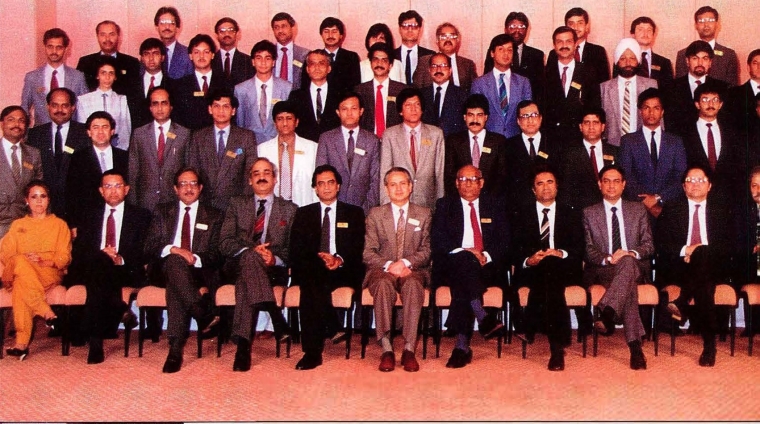
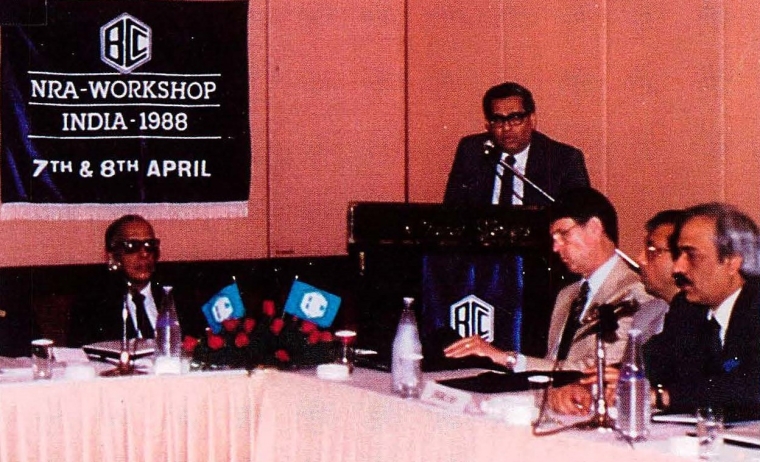
The FCNR scheme, an important element in the business development strategy for BCC in India, was examined at a workshop held by BCC in Bombay during April 1988. A detailed brochure outlining the advantages and necessary procedures of the scheme was launched at the workshop.
Mr A. Ghosh, Deputy Governor of the Reserve Bank of India; Mr B. K. Pal, its Joint Controller; Mr P. S. Bhatnagar, Secretary of the Indian Investment Centre; and Mr N. Desai, International Tax Consultant, addressed the workshop.
Merchant Banking
Taking advantage of the liberation of India’s economy, BCCI Bombay started merchant banking operations March 1985. Within just a few months the branch tied up some 15 major equity and debenture issues, including prestigious new issues by Reliance Textiles, United Sova and Bharat Pipes. The branch went on to participate in another 15 corporate issues, including those of 20th Century Leasing, Essar Shipping, Tata Tea and Tata Burroughs and continued to act as issuing banker.
Client relationships and BCC’s success
Mr Vijay K. Kapur who joined BCCI Bombay at the end of 1983, spoke eloquently of the reasons for BCC’s success:
"Before joining BCC, I spent ten years with another bank in India and before that I was a finance manager with another large organisation in northern India. But I had never come across anything like BCC.”
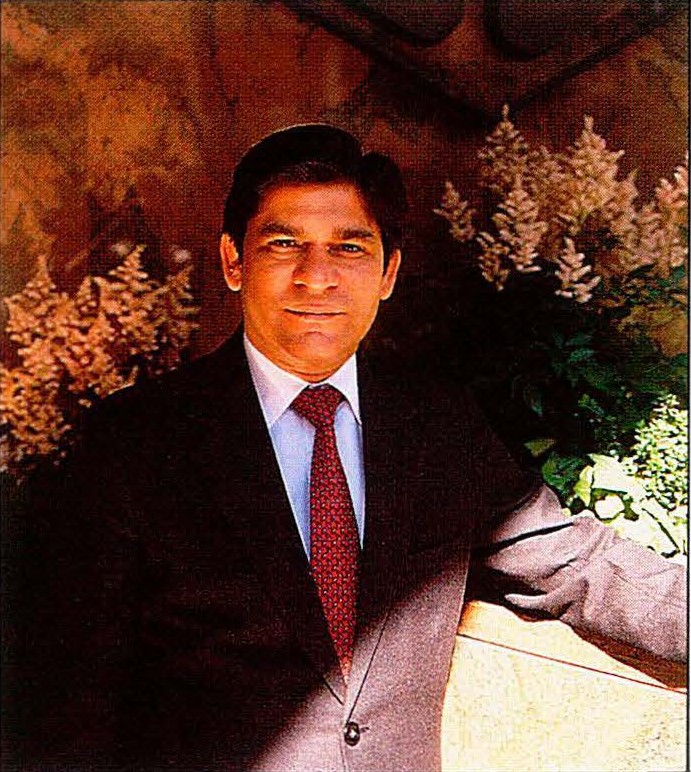
"In my opinion, one of the secrets of the success of this bank is that BCC frees people's energy. This is a very great achievement in management terms. We have learnt to have faith and confidence in our colleagues and they return this respect. This creates an atmosphere where we are all using our best energy at all times. BCC provides the boundaries within which we work, but within these boundaries we have a lot of freedom, and the boundaries themselves seem to be fairly fluid. There is every encouragement to run very fast, and we have certainly done that in Bombay. At least 80% of the people are directly involved in client relationships.”
_1.jpg)
Giving in India
The concept of Giving established by Mr Agha Hasan Abedi, BCC’s President, was practiced widely by BCC in the developing countries that constituted the third world. India was no exception.
Over the years, BCC made several donations, offered scholarships and granted awards, for example.
- $100,000 for the 1987 Reliance World Cup. The sponsors: Reliance Industries.
- IRs 50 lakh in 1988 to the Cambridge and Oxford Association of Del-hi The association offered scholarships for higher studies to needy students. Vice-President of India, S.D. Sharma was a trustee.
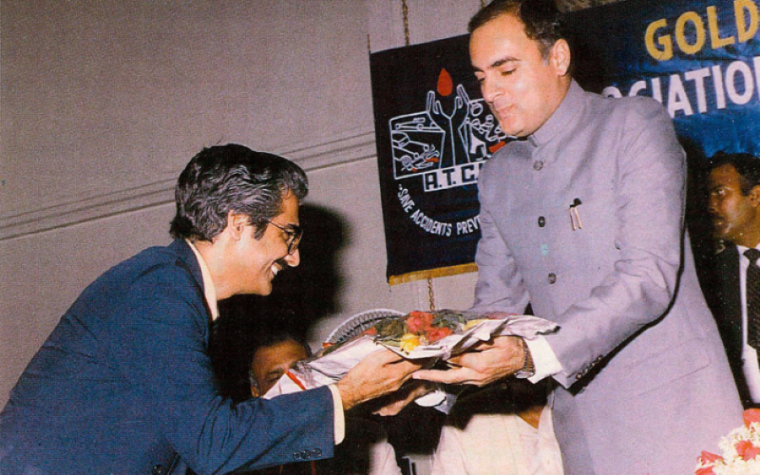
- IRs 50 lakh to Golden Hour Project in Bombay. Started in 1985 by Murli Deora, MP, and inaugurated by Sonia Gandhi, the project uses its six ambulances to rush patients to hospital.
BCCI Bombay also made contributions to the Indian Cancer Society, the Indian Council for the Development of International Economic Relations, and the Indian Institute of Marketing and Management in Delhi.
.jpg) An Award for BCCI
An Award for BCCI
At a recent ceremony in 1989 in London, H. E. Mr M. K. Rasgotra, the High Commissioner for India in the United Kingdom, presented "The Nehru Centenary – Excellence Award” to Mr Swaleh Naqvi, BCCI's Chief Executive Officer.
In accepting the award, Mr Naqvi commented: "Today, the world is eager for the development of a global community based on unity, mutual respect and harmony which is not restrained by geographic boundaries. It is by giving of ourselves and our possessions that we play our proper role in the process of life and serve the purpose of our existence, growth and evolution. I thank you with deepest sincerity for this signal honour, which I receive only as a symbol, because I feel the honour is surely to BCC and all its people."
BCCI closure
On 5 July 1991 the Bank of England and other regulators in the west decided to abruptly freeze BCCI Group's assets and shut down BCCI's operating branches worldwide.
The priority of the governments and central banks in some countries was to protect their people and the local operations of BCCI continued in a different name after the assets and liabilities were acquired by private investors or another bank.
The Reserve Bank of India (central bank) approached the Bombay court to appoint the largest bank in India, the State Bank of India (SBI), as provisional liquidator of BCCI's Bombay branch and look for potential buyers.
In 1994, SBICI Ltd was established as a wholly owned subsidiary of State Bank of India after taking over the Indian operations of BCCI.
The BCCI Group majority shareholders considered the abrupt action by western central banks to shut down BCCI in 1991 was unjustified when they already had detailed discussions with the Bank of England and other regulators on a restructuring plan and would have injected further capital, if required.
In a 24-page report not made public but sent to some 60 central bankers worldwide, the United Nations Center on Transnational Corporations said that by simply shutting down the 70-nation banking network that financed international trade of $18 billion a year, the economic damage fell hardest on countries like Nigeria, Bangladesh and Zambia, where B.C.C.I. was an important institution. (New York Times, Feb 5, 1992)