
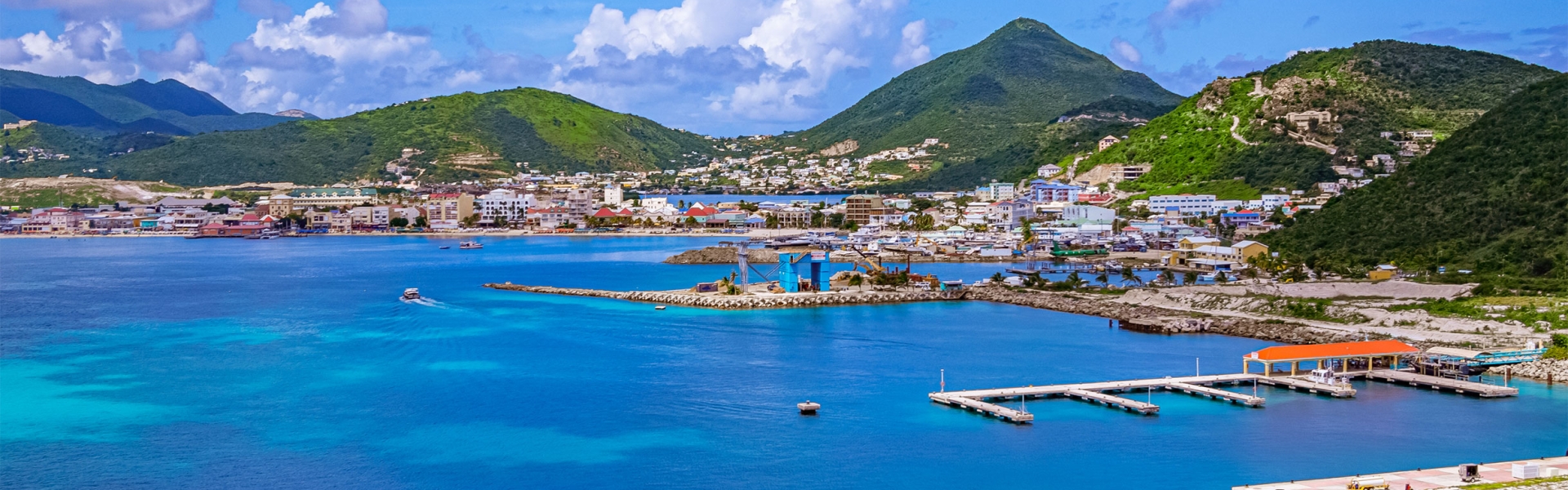
As an offshore base for banking and financial services, and a low tax zone, the Netherlands Antilles, the Dutch group of islands in the Caribbean, was an attractive offshore base for major Western banks and their important clients. During the 1980s the Bank of Credit and Commerce International (BCCI) established BCC FINANCE NV in the Curacao Island.
Country information
The Netherlands Antilles referred to a two islands group belonging to the Kingdom of The Netherlands (Netherlands in short or Holland) in the Caribbean Sea. The island group comprised two widely placed subgroups: the northern group, Aruba, Bonaire and Curacao off the coast of Venezuela, and the western group, Saba, Sint Eustatius, and Sint Maarten) that were east of the USA Virgin Islands.
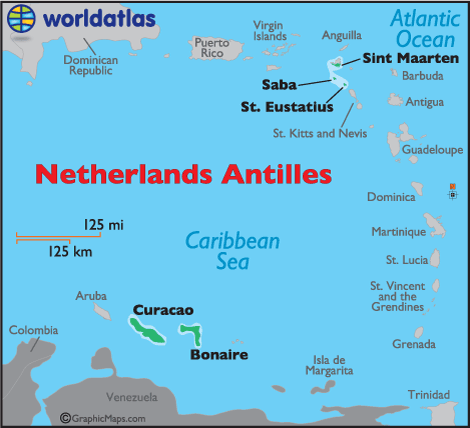
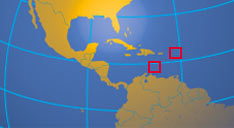
The island of Saint Martin was shared with France; its southern portion was named Sint Maarten and is part of the Netherlands Antilles; its northern portion is called Saint-Martin and is part of Guadeloupe (France).
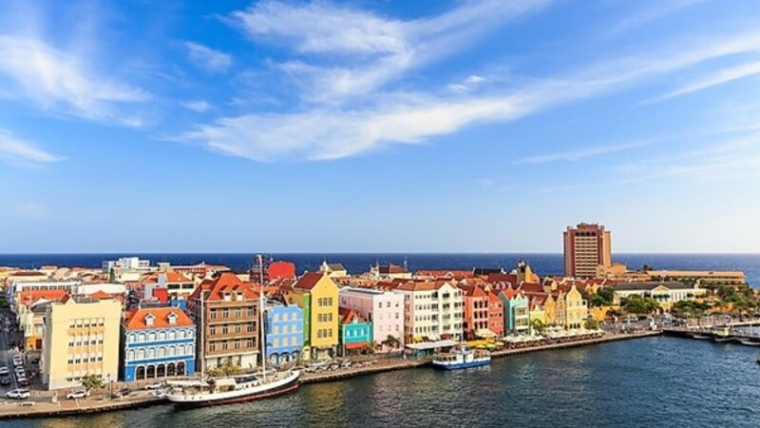
Curacao, the largest island in the Netherlands Antilles, served as the administrative centre. Willemstad was the main town in Curacao.
History
During the 17th century, the islands were conquered by the Dutch West India Company. During the Napoleonic Wars, the Dutch twice lost control over its West Indies colonies to the British. Under the Anglo-Dutch Treaty of 1814, the island colonies were returned to the Netherlands.
In 1954, the various Dutch island colonies were united under a single country and were named “Netherland Antilles” and was an autonomous part of the Kingdom of Netherlands. The island of Aruba seceded in 1986 and be-came a separate Dutch territory under the Kingdom of the Netherlands.
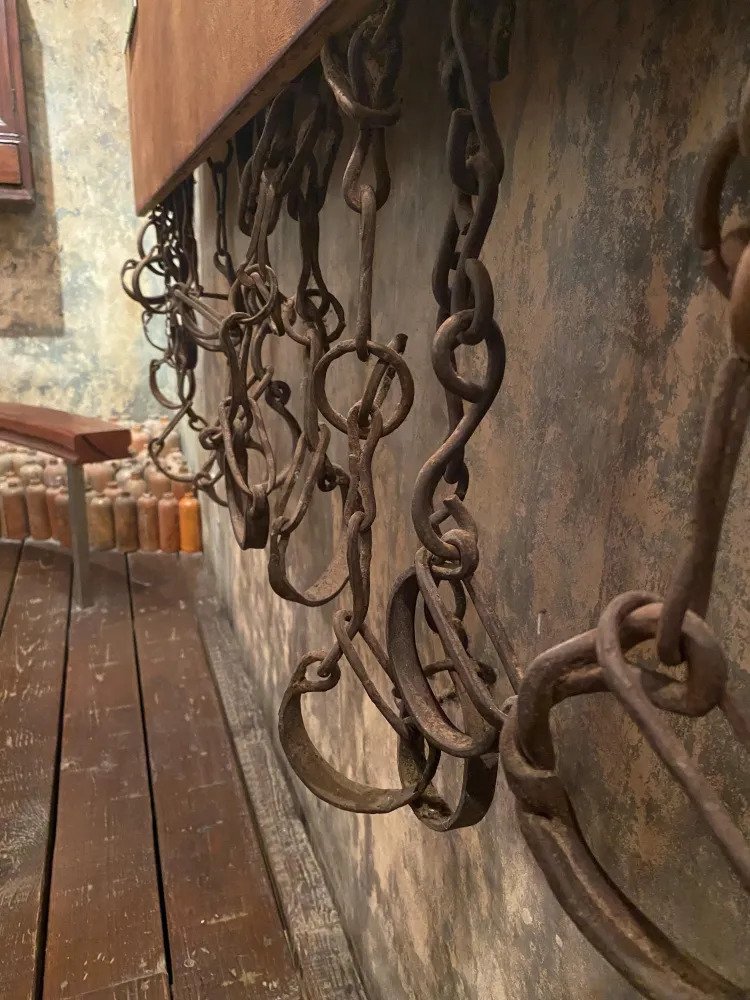
Because none of the islands were suitable for the establishment of largescale plantation economies, they developed centres for trade in sugar, tobacco, cotton, and in particular African slaves. Curacao and Sint Eustatius were said to be two of the biggest marketplaces for slaves in the entire Caribbean. Merchants, pirates, and administrators from all over Europe settled in the major Dutch port of Willemstad, on Curacao.
.svg.png)
The Netherlands Antilles, established in 1954, was a self-governing part of the Kingdom of the Netherlands. The head of state was the Dutch monarch, represented by a governor nominated by the local government and appointed by the crown. The head of government was a prime minister, who led a Council of Ministers.
Population and language
The population of the Netherlands Antilles was around 250,000 during the 1980s.
The islands’ populations were mainly composed of “blacks” (people of African heritage) and people of mixed African and European heritage) except for Saba’s, which was about evenly divided between people of African and of European (“white”) descent. Most of the islands had small white minorities.
The official languages were English, Dutch, and Papiamentu, a local Spanish-based mix of languages that includes Portuguese, Dutch, and some African words.
Economy and foreign trade
Tourism, petroleum refining, and offshore banking were the mainstays of the islands small economy which is closely tied to the outside world.
However, duty-free zones and limited customs controls caused concerns over the use of the islands as a transhipment point for drugs of South America for the USA and Europe, taking advantage of the numerous cruise ships that stopped at the islands of Netherland Antilles.
Willemstad, the capital of Curacao, had become an important Caribbean banking centre.
BCCI in Netherland Antilles
Curacao evolved as an offshore financial centre from its inception in close concert with the demand for such services from Western countries.
Dutch banks and multinationals spearheaded the creation of institutions on the island facilitating tax avoidance. In this they were aided and abetted by their government, which firmly supported the Antilles in getting access to bilateral tax treaties, notably the one with the United States.
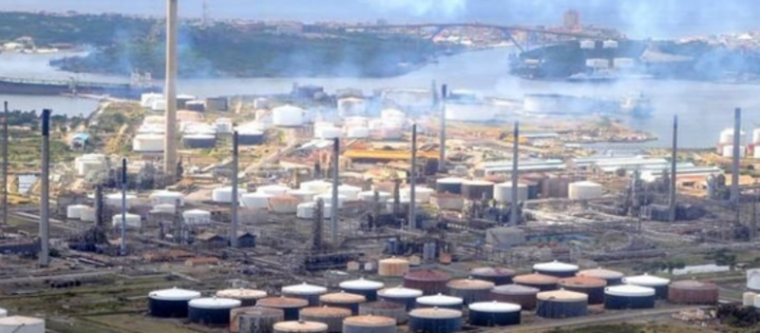
Apart from financial services and tourism, the main industry of Curaçao was oil refining, which started with the exploitation of Venezuelan oil fields in 1914 and the opening in 1918 of an oil refinery by Venezuela on Curacao.
The banking industry in Dutch Antilles was highly competitive, with many financial institutions including major western banks offering a wide range of financial services to their important customers on special international transactions, as well as high-net-worth individuals (HNWIs) and investment advisory services.
To serve a growing number of corporate clients and HNWIs, the Bank of Credit and Commerce International (BCCI) established BCCI FINANCE NV, a limited liability finance company in the 1980s in the Netherlands Antilles.
The finance company was located at on Curacao:
De Ruyterkade 62
Curacao
Telephone: (599-9) 615 555
Telex: 3458 OURCO NA
To take the benefit of the tax concession in Netherland Antilles to raise subordinated capital for BCCI, BCCI FINANCE NV Netherlands Antilles in 1984 issued a US$50 million Guaranteed Floating Notes due 1990 that unconditionally and irrevocably guaranteed payment of principal and interest by BCCI HOLDINGS (LUXEMBOURG) SA Luxembourg.
- Guaranteed Floating Rate Notes due 1990 Payment of principal guaranteed by BCCI Holdings (Luxembourg) SA: Announcement December 1983
- Guaranteed Floating Rate Notes due 1990 Payment of principal guaranteed by BCCI Holding (Luxembourg) SA: Prospectus 22 November 1983
The BCCI country manager, usually the manager of the main branch, or the appointed General Manager had other responsibilities, such as
- Submitting proposals that required approvals of the BCCI Regional Office and/or the Central Office, London, United Kingdom.
- Summitting statements and returns to the BCCI Regional Office and/or Central Office, London, United Kingdom, in line with internal policy and instructions issued from time to time.
- External audit of the accounts of BCCI's local operations required by BCCI Central Office, London, United Kingdom.
- Liaison with the country's central bank/financial authority, and summitting statutory returns.
BCCI closure
On 5 July 1991 the Bank of England and other regulators in the west decided to freeze BCCI Group's assets and abruptly shut down BCCI's operations worldwide.
The priority of the governments and central banks in some countries was to protect their people and the local operations of BCCI continued in a different name after the assets and liabilities were acquired by private investors or another bank.
No information is available on the status of BCCI FINANCE NV in Netherland Antilles.
The BCCI Group majority shareholders considered the abrupt action by western central banks to shut down BCCI in 1991 was unjustified when they already had detailed discussions with the Bank of England and other regulators on a restructuring plan and would have injected further capital, if required.
In a 24-page report not made public but sent to some 60 central bankers worldwide, the United Nations Center on Transnational Corporations said that by simply shutting down the 70-nation banking network that financed international trade of $18 billion a year, the economic damage fell hard-est on countries like Nigeria, Bangladesh and Zambia, where B.C.C.I. was an important institution. (New York Times, Feb 5, 1992)