
These books reveal the shadow world of anonymous shell companies, secrecy havens, and hidden wealth operating outside the regulated banking system. These accounts demonstrate that the complex offshore frameworks BCCI was condemned and shut down for using were actually created, institutionalised, and protected by major Western banks as a highly profitable global industry.
The Key Man: How the King of Social Impact Broke the Law and Deceived the World (2021)
The Key Man: How the King of Social Impact Broke the Law and Deceived the World, written by Wall Street Journal journalists Simon Clark and Will Louch, provide a detailed investigation into the dramatic rise and fall of Arif Naqvi, the founder of the Dubai-based private equity firm Abraaj. Managing nearly $14 billion, Naqvi placed himself at the absolute centre of the global elite as the pioneer of "impact investing". This was the highly appealing idea that a private firm could make massive profits while simultaneously ending global poverty and fixing healthcare in poor countries. Naqvi won the complete trust of Western governments, the United Nations, Interpol, and billionaires like Bill Gates, who put $100 million into his global health fund.
The authors reveal that this humanitarian image masked a bold and reckless, Ponzi-style scam. Abraaj was constantly spending more cash than it earned. To survive, it secretly took money out of protected healthcare funds to fill holes in its central accounts, quieten previous investors, and fund Naqvi’s lavish billionaire lifestyle. The house of cards collapsed in late 2017 when the Gates Foundation noticed that money sent to build hospitals in Africa and Asia was completely missing from the bank statements. Naqvi was arrested at London Heathrow Airport in 2019 on US charges of fraud, racketeering, and money laundering.
Comparison with BCCI: Third-World Representation and the Centre-Branch Divide
The Key Man provides an important historical comparison with BCCI regarding how non-Western banks navigate a global financial landscape dominated by colonial-era legacies, and how central financial distress is treated differently from standard retail operations.
- Legitimate Business vs. Marketing to the West: Unlike Abraaj, which was built from the very beginning as a clever marketing machine to persuade wealthy Westerners at Davos, BCCI was founded by Agha Hasan Abedi out of a genuine desire to support developing countries. For decades, the banking services sector in these countries had been dominated by colonial-era Western banks. BCCI's local operations were completely normal, standard retail banks that provided vital trade finance and loans to everyday businesses, bridging the Global South with the international centres - there is no evidence that BCCI was established as a criminal organisation. While Naqvi (Arbaaj) used his background to intentionally play on Western guilt to get money from billionaires, Abedi's original goal was the practical, honest financial empowerment of developing nations.
- The Critical Centre-Branch Divide: Neither institution was set up to trick people or steal money. BCCI did not run an intentional Ponzi scheme. A strict line must be drawn between the bank's everyday branch network and its central management. Across the world, BCCI’s local branches operated completely standard, lawful, and highly successful commercial banking services for ordinary customers. It was only when the bank ran into severe, unmanageable financial problems that the centre-branch divide became critical. The BCCI group chief executive at the central head office instructed a handful of managers and used false accounting entries at the core to hide losses and non-performing large loans, as well as create loans for secret investments.
- The Outrage Double Standard: The ultimate link between the two cases is the unfair penalties applied by Western regulators. When major Western banking giants suffer massive losses or get caught rigging markets and rates at the centre to deceive customers and investors and generate huge profits through such fraudulent practices, they are protected by governments and kept open using taxpayer bailouts or simple corporate fines. However, because both BCCI and Abraaj were high-profile, non-Western entities from the developing world, Western authorities chose to completely dismantle and shut them down the moment central bookkeeping failures were exposed - in the case of BCCI, completely abandoning the restructuring plan that was agreed in principle and totally ignoring valid banking operations of its wider branch networks. BCCI in liquidation paid over 90% to depositors.
TREASURE I$LANDS: Tax Havens and the Men Who Stole the World
First published in 2011 and issued with updated material in 2012, Nicholas Shaxson’s Treasure I$lands examines how offshore finance became deeply embedded in the modern international financial system.
Shaxson argues that tax havens are not limited to small, remote islands. He places the City of London at the centre of a wider British offshore network that includes the Cayman Islands and British Virgin Islands, which are British Overseas Territories, and Jersey, Guernsey and the Isle of Man, which are Crown Dependencies. He also describes the United States, particularly states offering financial secrecy and lightly regulated corporate structures, as displaying many characteristics of a major tax haven.
The book traces the development of this system through the growth of the Eurodollar market, the continuing financial connections of the former British Empire and the influence of the City of London. Reviewing the book in The Guardian, Peter Preston described London as the centre of a worldwide financial network, with the Bank of England portrayed as playing a central supporting role in its development.
Shaxson supports his argument with examples involving established companies, wealthy individuals and major banks. The updated edition cites Lloyds TSB, which paid US authorities $350 million in 2009 after admitting that it had concealed information in transactions involving Iranian and Sudanese clients passing through the US banking system. It also refers to the low effective taxes paid by major multinational companies and wealthy individuals, including Warren Buffett’s observation that he paid a lower tax rate than members of his office staff.
The book is particularly useful in showing that offshore centres such as the Cayman Islands were routinely used by major Western banks, investment funds, multinational companies and wealthy international clients. Their use was therefore neither unusual nor peculiar to BCCI. Offshore centres offered tax, regulatory, secrecy and structural advantages that had become part of mainstream international finance.
This provides important context when considering criticism of BCCI for maintaining operations in the Cayman Islands. The existence of an offshore company or banking operation should not, by itself, be treated as evidence of criminal purpose. Its activities, ownership and transactions must be examined on the evidence.
Shaxson nevertheless presents BCCI mainly through the themes of offshore secrecy, corruption and criminal activity. He gives comparatively little attention to the much larger conventional banking business that BCCI conducted across more than 70 countries, serving ordinary customers and businesses.
The book therefore offers a useful comparison: BCCI’s Cayman Islands presence should be considered within a much broader international offshore system developed and extensively used by major Western banks, multinational companies and financial institutions.
The Hidden Wealth of Nations: The Scourge of Tax Havens (2015)
The Hidden Wealth of Nations: The Scourge of Tax Havens is a work by Gabriel Zucman, a prominent international economist, Thomas Piketty a French economist and Teresa Lavender Fagan a freelance translator living in Chicago USA. Gabriel Zucman delivers a clear and damning analysis that exposes the inner workings of the global offshore banking system. Zucman looks past the complex language of economics to show that top Western financial giants - most notably Swiss titans like UBS and Credit Suisse - do not merely offer standard investment advice. Instead, they have turned the business of wealth concealment into a highly organised, multi-trillion-pound global industry. The book details how these mainstream banks, along with their specialized offshore branches, intentionally use complicated credit setups, shell companies, and unrecorded foreign accounts to hide the tracks of the world's wealthiest individuals looking to scrub their fortunes clean of public tax liabilities.
Zucman exposes how the pursuit of corporate profits and client retention has driven mainstream financial institutions to turn a blind eye to global economic stability. He demonstrates that when these massive banks are caught masking trillions of pounds in hidden wealth, government regulators consistently refuse to shut them down. Instead, the authorities treat industrial-scale tax evasion and banking secrecy as a permanent feature of modern capitalism, allowing giant banking networks to settle cross-border compliance scandals through bloodless civil treaties and routine regulatory adjustments, while senior executives avoid personal criminal prosecution entirely.
Comparison with BCCI: The Protection of Management and Infrastructure
The Hidden Wealth of Nations provides the definitive economic and structural blueprint of how the global offshore banking system functions, demonstrating how Western tax havens handle trillions of dollars in hidden assets with institutional protection while non-Western structures face intense criminalisation.
-
The Scale of Money Laundering and Fines: Zucman calculates that at least $7.6 trillion - amounting to roughly 8% of the world's net personal financial wealth—is systemically hidden in offshore accounts and tax havens like Switzerland, Luxembourg, and the Cayman Islands. This massive, institutionalised bleeding of global public revenue is treated by Western governments as a passive, structural trait of modern capitalism to be debated or gradually tweaked through civil treaties. This contrasts sharply with the 1988 Tampa case against BCCI. In that instance, the amount of money laundered was a relatively small $14.8 million, resulting in a $14.8 million fine. Yet, because of the widespread narrative created by this localised trap, authorities and the media painted the entire BCCI as a money laundering enterprise, attempting to destroy its global reputation despite the complete lack of central executive encouragement in the laundering transactions.
- The Trap of Undercover Operations: Zucman documents how the tracking and dismantling of offshore financial secrecy relies almost exclusively on data discrepancies, voluntary tax treaties, and academic audits. Western tax havens are never subjected to aggressive, state-sponsored destabilisation campaigns. Conversely, the case that initially compromised BCCI’s global reputation was the direct result of a highly coordinated, two-year undercover sting operation orchestrated by US federal agents. This sting operation aggressively targeted specific officers using elaborate entrapment techniques to actively draw them into handling illicit narcotics cash. While Western institutions are investigated via routine bureaucratic audits, non-Western banks were actively snared through state-engineered traps.
- The Punishment Double Standard: The absolute core of the double standard lies in which high-level leaders face criminal accountability when a corporate culture breeds wrongdoing. Zucman details how European and American financial leaders deliberately design, manage, and protect the offshore legal mechanisms that allow the global elite to hide wealth on an industrial scale. Yet, the Western justice system treats this systemic evasion as a legal gray area, completely protecting these banking architects from criminal charges or personal liability. In sharp contrast, inside BCCI, there was absolutely no evidence that any senior management executives were charged with directing or encouraging managers and lower-level branch employees to handle dirty cartel money. The money laundering occurred entirely due to an undercover state trap that snared a small group of branch managers.
Criminal Capital: How the Finance Industry Facilities Crime (2015)
Criminal Capital by Stephen Platt, an international legal expert, presents a critical analysis of how major Western banks have facilitated global financial crime. He argues that some prestigious banking groups have not merely handled dirty money by accident. In his view, weak controls and the pursuit of profit and large executive bonuses have allowed money laundering to become a profitable part of their business. The book examines cases in which major mainstream banks such as HSBC, Barclays, Standard Chartered, and Citibank were found to have used complex offshore structures and shell companies that helped conceal funds linked to drug cartels, corrupt politicians and international criminals.
Platt shows that when large banks have been found handling hundreds of billions of dollars in illicit funds, regulators have not shut them down. Instead, money laundering on an industrial scale has been treated largely as a failure of compliance, not as criminal enterprise. The banks have been allowed to settle by paying penalties that, however large in headline terms, represent only a small fraction of their profits. They have then continued trading, and critics argue that the cost of such penalties is often passed on to customers through higher charges and fees, while shareholders and executives bear little of the burden.
1. The Scale of Money Laundering by Western Banks: Platt documents how prominent Western banks have handled vast sums of illicit money. In one of the best-known cases, around $378 billion passed through Wachovia’s accounts from Mexican currency exchanges without adequate anti-money-laundering checks. At HSBC, more than $670 billion in transfers from its Mexican arm went largely unmonitored, and the bank admitted that at least $881 million in drug-cartel money had passed through its accounts.
2. How These Banks Were Treated: When such failings came to light, regulators did not shut the banks down. Instead, the banks were allowed to settle. They paid penalties, accepted independent monitors and were given years to improve their compliance systems under deferred prosecution agreements. The penalties, though large in headline terms, were small compared with the volumes involved and the banks’ profits. No senior executive at either bank faced criminal charges. The banks carried on trading with their reputations largely intact, and the episodes were treated more as failures of compliance than as criminal enterprise.
3. The Contrast with BCCI BCCI’s money-laundering case arose from a US undercover sting operation in Tampa,
BCCI’s money-laundering case arose from a US Customs sting operation in Tampa, known as Operation C-Chase led by an undercover agent posing as a businessman laundering drug money, drew a small number of branch officers into transactions. The bank was indicted in 1988 and pleaded guilty in 1990, forfeiting $14.8 million without gin to trial. That figure matched the sum laundered through the bank in the operation. The officers convicted in that case were branch-level and middle managers. Senior management was not charged in that case. The case involved a fraction of the sums seen at Wachovia and HSBC. Yet it became the defining image of BCCI well before its closure in 1991, and the label “money launderer” has stayed with the bank ever since. Western banks were treated as institutions with compliance failings. BCCI, by contrast, came to be portrayed as a criminal bank as a whole. The question this book raises is whether a $14.8 million case permanently defined one bank because of its association with the Third World, while failures involving hundreds of billions of dollars became, for Western banks, a passing episode settled by fines.
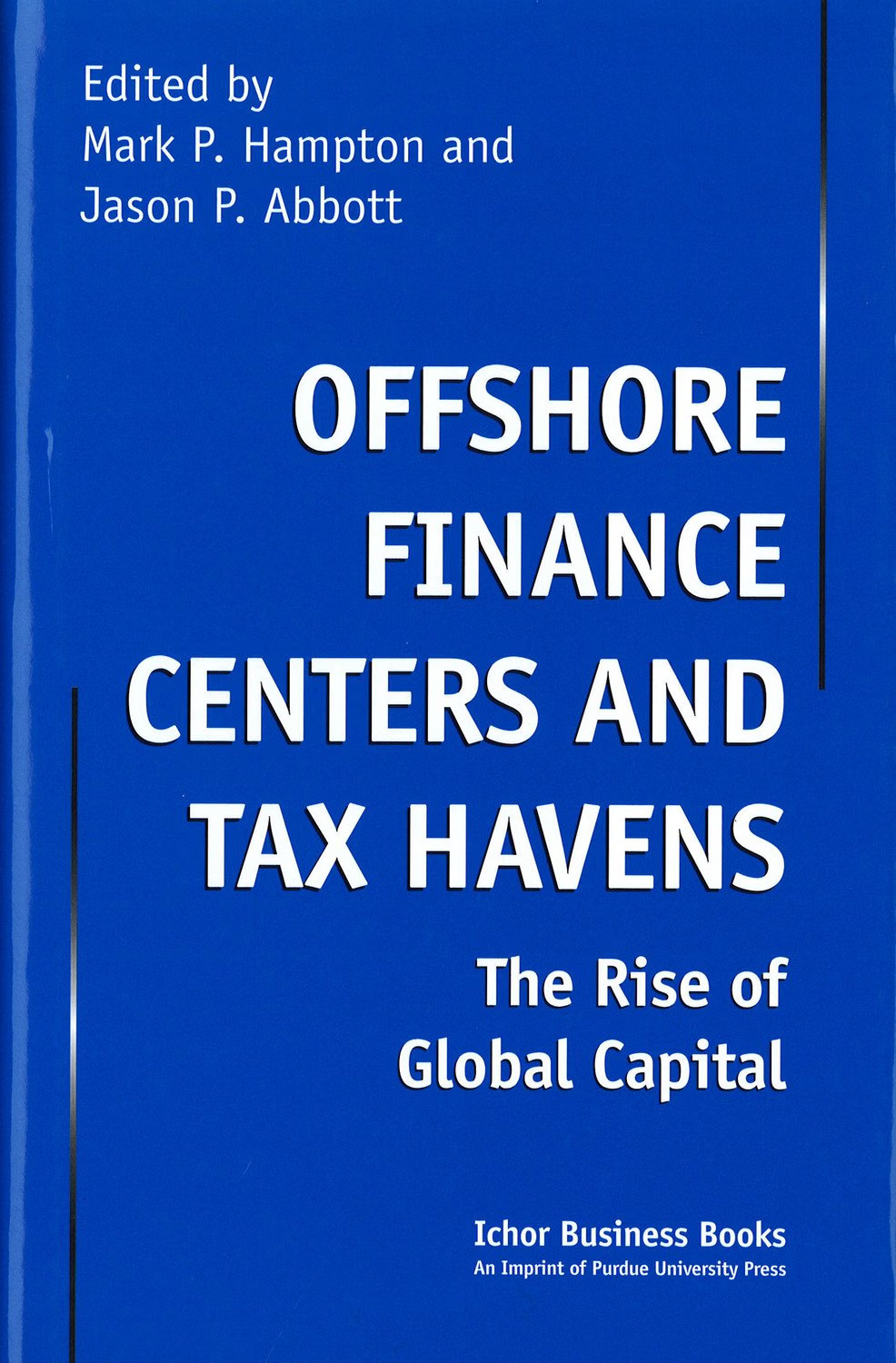
Offshore Finance Centres and Tax Havens: The Rise of Global Capital
Edited by Mark P. Hampton and Jason P. Abbott, this academic collection was published in 1999 and examines the growth of offshore finance as part of the development of modern global capital markets.
The book is particularly relevant because it includes a chapter specifically titled “International Banking and Offshore Finance: London and the Major Centres.” Other chapters examine Jersey, Guernsey, Malta, Malaysia and Southern Africa, as well as the legal and political structures supporting offshore finance.
Rather than presenting offshore finance as a marginal or purely criminal activity, the book shows how it became closely connected with the growth of international banking, financial deregulation and global capital flows.
This provides important historical context. BCCI’s use of offshore centres should be considered within an international banking system in which London and other major financial centres were themselves deeply connected with offshore finance.
The book therefore helps distinguish between the legitimate use of offshore financial centres and their possible misuse in particular transactions.
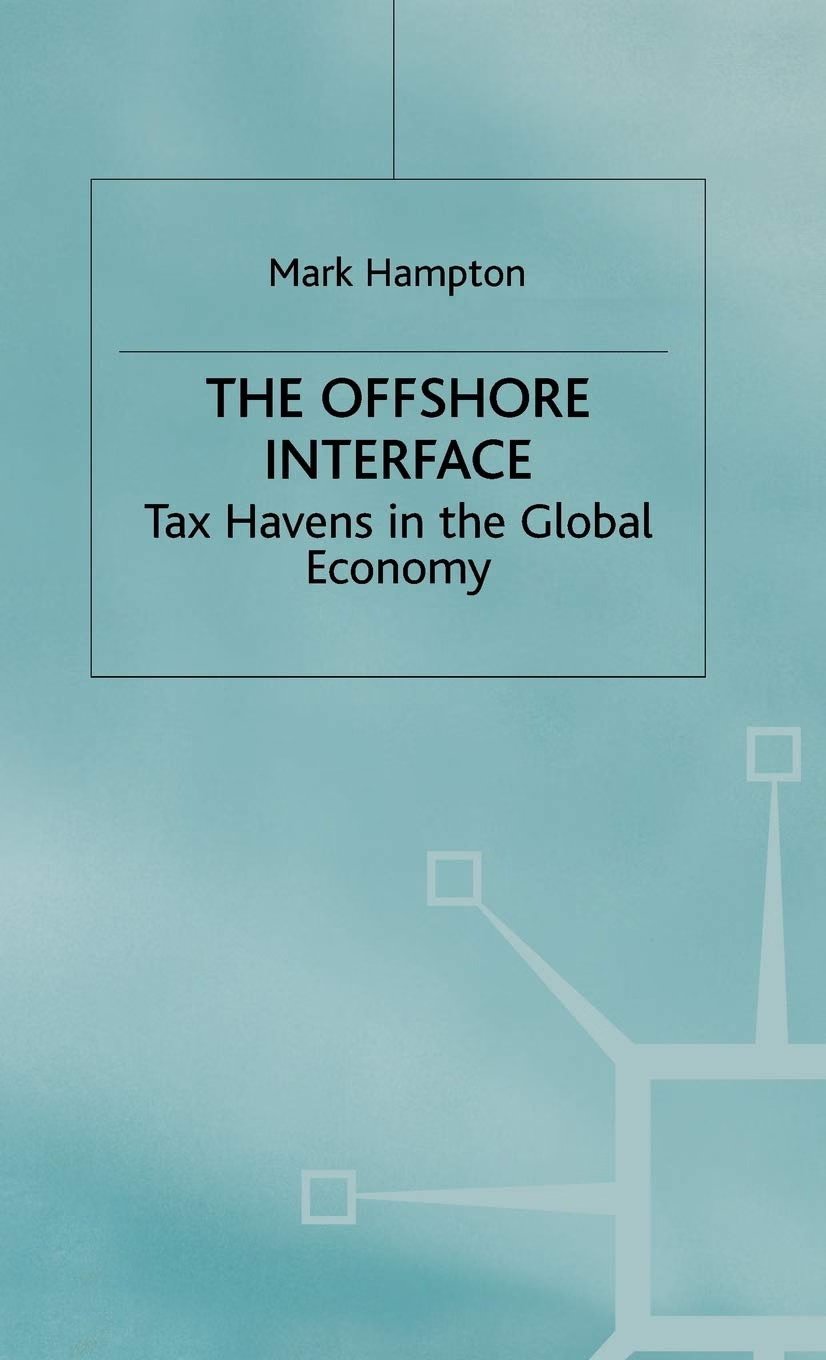
The Offshore Interface: Tax Havens in the Global Economy
The Offshore Interface, written by Mark Hampton and published in 1996, examines how tax havens and offshore financial centres developed and became integrated into the global economy. Hampton considers who uses these centres, why particular jurisdictions became successful and how taxation, confidentiality, regulation, technology and international capital movements contributed to their growth.
The book explains how offshore centres form an interface between onshore and offshore finance. They do not operate as an entirely separate financial world: they receive business, capital and professional expertise from major financial centres and then channel funds back into those centres and international markets.
A chapter entitled “Offshore Finance in London, Regulation and Eurocurrencies” examines London’s central role in developing the Eurocurrency market. This market allowed banks to accept deposits and conduct transactions in currencies outside the countries that issued them, particularly US dollars held and traded outside the United States. This helped international banks conduct cross-border business with fewer domestic restrictions and closely connected offshore finance with mainstream banking in London.
Hampton also examines the relationship between onshore states and their offshore territories, the development of Caribbean offshore centres, technological changes and the importance of communications in moving money internationally. His extensive two-part case study of Jersey demonstrates how a small jurisdiction developed into a successful offshore financial centre and how that transformation affected its economy, government and regulatory structure.
The Jersey case study illustrates that this growth was driven substantially by established international banks. Institutions operating there included Citibank, Bank of America, Deutsche Bank, Banque Nationale de Paris, Barclays, HSBC and Bank of India. Other research records that Citibank, Chase Manhattan and Bank of America had entered the Channel Islands during the 1960s. The presence of such institutions demonstrates that offshore finance was not confined to obscure banks or organisations created for unlawful purposes; it had become part of the international strategies of major banking groups.
The book also explains how differences between onshore and offshore rules created commercial opportunities. For example, some Jersey banks were able to channel funds back to their UK parent institutions while avoiding credit restrictions then operating in Britain. This demonstrates how offshore centres could be used not only to reduce taxation or preserve confidentiality but also to conduct financial business outside certain controls applying in the home country.
Hampton does not suggest that all offshore activity was criminal. His analysis distinguishes between legitimate international banking, tax planning and investment on the one hand, and tax evasion, money laundering, corruption or regulatory avoidance on the other. The central issue is how an offshore structure was actually used, not merely where it was incorporated or operated.
This distinction is important when considering criticism of BCCI for maintaining operations in offshore jurisdictions. The relevant questions are:
- What business did the offshore entity conduct?
- Who controlled it?
- What transactions passed through it?
- How was it supervised?
- Were applicable laws and regulations followed?
The book therefore provides valuable background for separating the existence of offshore operations from evidence of criminality. BCCI’s offshore presence should be assessed transaction by transaction and in the wider context of an offshore financial system developed and extensively used by major British, American, European and international banks.
The Finance Curse: How Global Finance Is Making Us All Poorer
The Finance Curse, by Nicholas Shaxson, was first published in 2018 and develops the arguments introduced in his earlier book, Treasure Islands.
Shaxson broadens his examination from tax havens and offshore secrecy to the much larger role of finance in modern economies. He concentrates particularly on the City of London, international banking, wealth management, tax avoidance, money laundering, financial deregulation and the political influence of powerful financial interests.
His central argument is that finance is essential to a healthy economy, but that beyond a certain size it may cease to serve businesses and society effectively. An oversized financial sector can attract skilled people and investment away from other industries, increase inequality, inflate property prices, encourage excessive risk-taking and gain disproportionate influence over governments and regulators. The financial sector may then become more concerned with extracting wealth than supporting productive economic activity.
The book refers to major institutions including Goldman Sachs, HSBC, Barclays, Royal Bank of Scotland, Lloyds, Northern Rock and Lehman Brothers. Goldman Sachs is used in discussing the difference between the interests of a powerful financial institution and those of the wider national economy. Shaxson writes, in substance, that improving Goldman Sachs’s fortunes does not necessarily improve America’s fortunes.
Northern Rock is examined as an example of financialisation and the risks created when a traditional building society was transformed into a bank heavily dependent on wholesale funding and securitised mortgages. Its collapse and nationalisation illustrate how gains may remain private during successful years while the wider public bears the consequences when a large financial institution fails.
The book also refers to HSBC in connection with money laundering and regulatory weakness, while Lehman Brothers appears in its discussion of the 2008 financial crisis. Barclays, HSBC, RBS and Lloyds are relevant to the wider “finance curse” analysis because of their dominance of British banking and the substantial implicit public support enjoyed by institutions considered too important to fail.
Shaxson does not argue that every activity undertaken by these banks was unlawful. His broader concern is with the structure of the financial system: the concentration of economic power, the ability of large institutions to influence public policy and the tendency of governments to protect globally important banks because of the disruption their failure might cause.
The book is relevant because it presents offshore finance, secrecy, financial misconduct and regulatory failure as features of a much broader Western-dominated financial system, not as practices confined to distant islands, smaller banks or unconventional institutions. It provides useful context when considering whether practices portrayed as unusual or suspicious in the case of BCCI were, in various forms, also embedded in the wider international banking and financial system.
The book complements Treasure Islands by showing how offshore structures and wealth-management arrangements connect directly with London and other major financial centres. It also provides a basis for comparing the treatment of BCCI with the regulatory and governmental responses to later failures or misconduct involving large established banks.
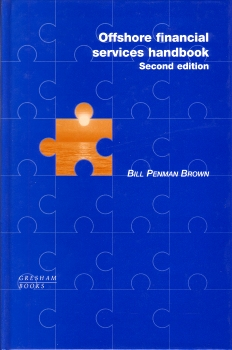
Offshore Financial Services Handbook
Offshore Financial Services Handbook, by Bill Penman Brown, was first published in 1996, with a substantially revised second edition appearing in 1999. It differs from many investigative books about offshore finance because it was written as a practical professional guide to the lawful use, operation and regulation of offshore financial centres.
The handbook covers the selection and characteristics of offshore centres, offshore banking, taxation, regulation and supervision, money laundering, asset protection, trusts, company management, investment services, investment funds, pension arrangements and captive insurance companies. It was intended for financial-services professionals and their clients rather than as an exposé of financial wrongdoing.
Brown acknowledges that offshore facilities can be abused for money laundering, fraud and tax evasion. However, he argues that it would be a serious misconception to regard modern offshore finance as being primarily concerned with such activities. In his view, properly regulated and reputable offshore financial centres perform a legitimate and integral role in international finance and trade.
A particularly important observation is that the boundary between onshore and offshore finance is often difficult to define. International transactions may be arranged in London, New York or another major financial centre but booked in whichever jurisdiction provides the most suitable legal, tax or regulatory structure. Brown also notes that offshore-type facilities were available in established onshore centres, including Luxembourg, Switzerland, Liechtenstein and parts of the United States.
Brown’s professional background reinforces this point. Before becoming Gibraltar’s first Financial Services and Banking Commissioner in 1990, he held senior positions with:
- Bermuda National Bank
- Royal Trust Company of Canada
- Grindlays Bank in Jersey
- Manufacturers Hanover (Guernsey) Bank
These were not institutions operating outside conventional international finance. Grindlays was a long-established international bank with extensive operations in Britain, Asia, the Middle East and Africa, while Manufacturers Hanover was a major American banking group. Brown’s career demonstrates that offshore banking was openly conducted by established Western and international financial institutions employing experienced banking professionals.
The handbook also draws an important distinction between tax avoidance and tax evasion, and between reputable, properly supervised centres and jurisdictions willing to facilitate unlawful activity. Brown does not argue that all offshore business is acceptable merely because it is conducted through an established financial centre. He emphasises regulation, professional standards, customer identification and measures against money laundering.
This distinction is directly relevant when considering BCCI’s offshore operations. The fact that a bank maintained a subsidiary, branch or booking centre in an offshore jurisdiction was not, by itself, unusual. Major British, American, Canadian and international banks used comparable arrangements for legitimate banking, investment, trust, insurance and corporate business.
The appropriate questions are therefore not simply whether an operation was located offshore, but:
- what purpose it served;
- what transactions it conducted;
- who controlled and supervised it;
- whether its records were complete and transparent; and
- whether it complied with applicable laws and regulations.
The handbook consequently provides one of the clearest professional accounts supporting a necessary distinction: an offshore location is a financial structure, not proof of criminality. Any allegation concerning BCCI’s offshore operations must be assessed according to evidence of how those particular facilities were actually used.
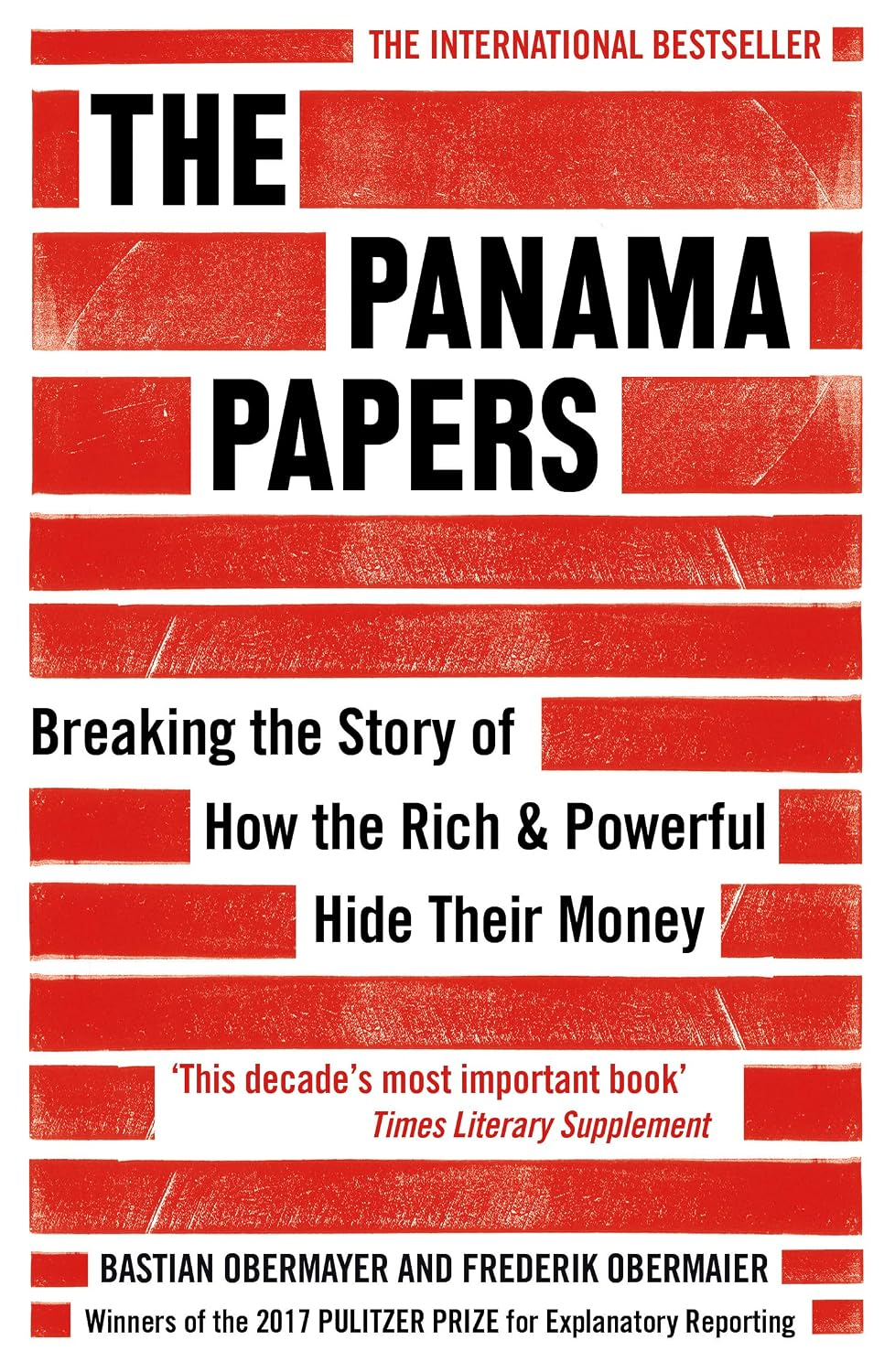
The Panama Papers: Breaking the Story of How the Rich and Powerful Hide Their Money
The Panama Papers: Breaking the Story of How the Rich and Powerful Hide Their Money, published in 2017, and written by German newspaper journalists, Frederik Obermaier and Bastian Obermayer,
reads like a real-life thriller, detailing how two German investigative journalists found themselves at the epicenter of the largest data leak in history.
The book chronicles the monumental effort required to untangle 11.5 million leaked encrypted documents, Excel sheets, and emails from the Panamanian law firm Mossack Fonseca (Mossfon). Delivered by an anonymous whistleblower known only as "John Doe," this unprecedented trove of data exposed the secret records of 214,000 offshore companies. To process the staggering volume of information, the authors partnered with the International Consortium of Investigative Journalists (ICIJ), orchestrating a network of 400 journalists working in absolute secrecy for a year. Their collaboration pulled back the curtain on a dark global system where Mossfon provided fake directors, false passports, and forged documents to obscure asset ownership for anyone wealthy enough to pay - servicing a client roster that extended to heads of state, billionaires, and celebrities, alongside CIA defense contractors, sanctioned regimes, and organised crime syndicates.
Comparison with BCCI
The Panama Papers illustrates that the "shadow banking" and prohibited offshore networks pioneered in the mid-20th century by London's banking elite have not been reformed, but have instead scaled into a normalized multi-trillion-dollar global industry.
When Western regulators led by the Bank of England abruptly shut down BCCI in 1991, they framed it as a uniquely rogue entity operating beyond the boundaries of civilized finance. However, the Mossack Fonseca revelations prove that the exact same mechanisms - opaque shell companies, multi-jurisdictional layering, and deliberate corporate anonymity - remain actively organised by major Western banks and global law firms to shield elite wealth from accountability. It underscores the core thesis of of a forthcoming book - Verdict Deferred: BCCI was not an aberration, but a precursor to an institutionalized blueprint of global financial evasion that regulators routinely tolerate when executed by Western-aligned gatekeepers.
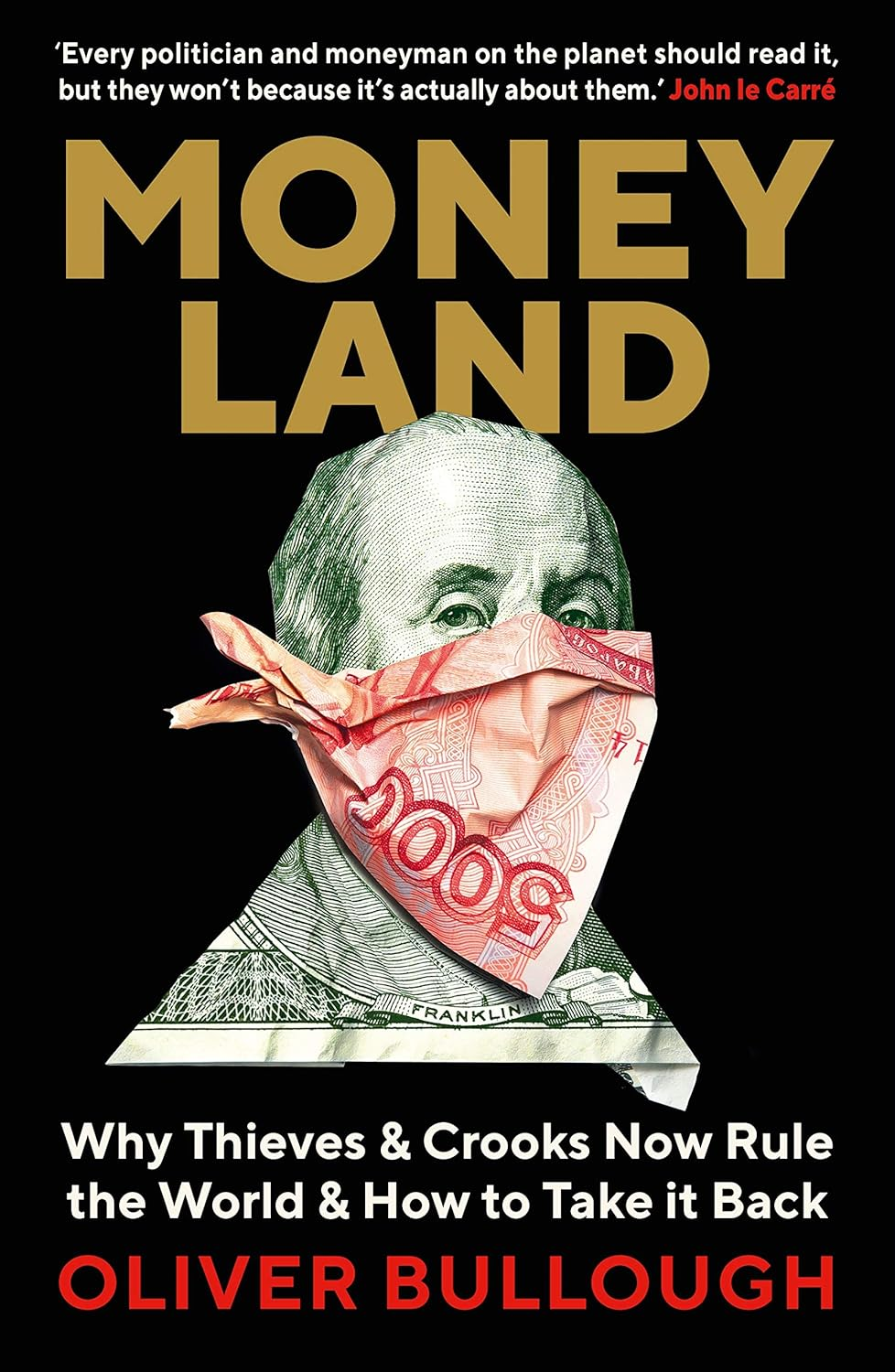
Moneyland: Why Thieves And Crooks Now Rule The World And How To Take It Back
Moneyland: Why Thieves and Crooks Now Rule the World and How to Take It Back, written by Oliver Bullough and published in 2019, exposes a hidden world in which the ultra-wealthy, corrupt officials and criminals move money across borders to conceal their wealth and evade national laws.
The author, an investigative journalist, maps how this hidden reality - "Moneyland" - was effectively given birth in 1962 by London bankers who pioneered the concept of "offshore" finance. By decoupling money from the jurisdiction of the country where it was earned, they created a concealment culture that fundamentally transformed global crime. Using a complex, shifting network of anonymous shell companies, the residents of Moneyland continuously hide stolen public assets, moving trillions from the world's poorest nations into the luxury real estate and stable investment markets of the West. BThe author dismantles the historical milestones and political choices that allowed this weaponised financial lack of transparancy to grow in plain sight, demonstrating the catastrophic, unimaginable cost it inflicts on everyday global citizens.
Comparison with BCCI
Moneyland provides the definitive history of the very offshore system that BCCI was accused of exploiting. The irony exposed here is total: while BCCI was universally vilified and ultimately buried alive by Western authorities led by the Bank of England for operating across shadowy, multi-jurisdictional networks, Bullough’s research proves that this exact framework was invented, nurtured, and institutionalized by London's own financial elite. By demonstrating how offshore tax havens and shell networks have become the standard operating procedure for the modern global ruling class, Moneyland highlights the central paradox of Verdict Deferred: BCCI was destroyed for utilizing a borderless financial system that Western institutions created, continue to profit from, and protect to this day.